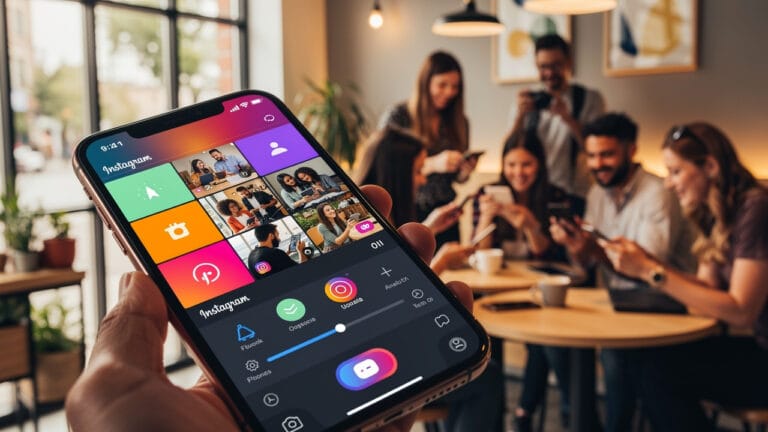


In 2026, dating apps are no longer only about swiping for a soulmate. They sit inside a much bigger shift in how people look for connection of every kind, from romance to friendship to community. Rising loneliness, new work patterns, and changing expectations around identity and inclusivity are all pushing social and dating platforms to evolve.
Using recent reporting on friendship apps, LGBTQ dating spaces, and even the appeal of slow, “mundane” games, we can see why dating apps are trending again, and how they are reshaping modern social life.
Loneliness, remote work, and the search for connection
According to TechCrunch, loneliness and social isolation have grown serious enough that in 2023 the U.S. Surgeon General described them as a public health crisis. That warning did not come out of nowhere. Remote work has reduced casual interactions with colleagues, and many younger adults are building their adult social circles from scratch, often without the built‑in communities of school, campus, or a physical office.
The stigma around meeting people online was already fading thanks to years of mainstream dating apps. That cultural shift created space for a new wave of apps that focus on platonic connections rather than romance. TechCrunch notes that in the United States, a group of local friendship apps has already generated about 16 million dollars in consumer spending early in the year, which signals that people are willing to pay for tools that help them meet others nearby.
In other words, the logic of dating apps, quick discovery plus constant choice plus location‑based matching, is now being reused to solve a broader social problem: people feel alone, and they want a structured way to change that.
From romance to friendship: the “dating app” model spreads
The friendship platforms highlighted by TechCrunch use familiar mechanics. Users create profiles, share interests and hobbies, and then get matched with potential friends who live nearby or share common activities. The focus is not on flirting, but on finding people to go hiking with, join local events, or simply hang out.
Several key trends emerge from this:
- Local focus: These apps emphasize nearby connections, encouraging in‑person meetups and community building.
- Interest‑based matching: Instead of appearance‑driven swipes, profiles highlight hobbies, passions, and lifestyles.
- Community features: Many friendship apps organize group activities or events, so users can join a ready‑made social setting instead of jumping straight into one‑to‑one chats.
This is essentially the dating app template applied to non‑romantic connection. It shows how comfortable people have become with the idea that important relationships, not just dates, can begin in an app.
Why dating apps still matter for LGBTQ women
While friendship apps are expanding, traditional dating apps are still vital, especially for marginalized groups. Mashable’s guide to the best dating apps for lesbians and queer women underlines how crucial dedicated spaces are for people who may not find safe or abundant options offline.
In many places, queer women have fewer visible venues for meeting one another than gay men or straight people. Bars, community centers, and events might be limited, or they might not feel welcoming to all identities under the LGBTQ umbrella. Dating apps step into that gap and give users:
- Identity‑aware matching: Apps tailored to queer women can prioritize inclusive gender and sexuality options.
- A sense of safety: Users may feel more comfortable exploring their identity and preferences in an environment designed for their community.
- A clear social purpose: These platforms make it explicit that users are looking for romantic or queer‑centered connection, something that general social networks or mainstream dating apps may not consistently provide.
Mashable’s framing, sometimes summarized as “Grindr for lesbians,” captures a real demand. LGBTQ women want spaces that are as direct and responsive to their needs as gay men’s hookup and dating apps, but with their own norms, cultures, and boundaries. The popularity of these platforms reinforces how digital tools can help people with shared identities find one another on their own terms.
For readers interested in the queer dating space, Mashable’s overview of the best dating apps for lesbians and queer women shows how diverse that ecosystem has become.
What “mundane” games can teach us about digital intimacy
At first glance, BBC Technology’s report on PowerWash Simulator and other “mundane job” games might seem unrelated to dating apps. Yet these games highlight something important about how people use digital spaces for emotional needs.
The BBC notes that PowerWash Simulator, which has players slowly cleaning virtual environments, has sold more than 17 million copies. Its sequel has been nominated for two Bafta Games Awards. This sits within a wider genre where players mow lawns, clean pools, or do other routine tasks that are not obviously exciting.
Why does that matter for dating apps?
These games show that users increasingly value:
- Low‑pressure, soothing experiences: People want spaces that reduce stress, not add to it.
- Routine and predictability: Repetitive tasks can feel grounding in a chaotic world.
- Time to decompress: Activities that look “boring” from the outside can be emotionally restorative.
Many people approach dating apps with similar needs. Instead of high‑stakes romance, they may be looking for gentle conversation, slow‑burn connections, and environments that feel emotionally safe. The success of calming, “ordinary” games illustrates a broader craving for digital experiences that are less about spectacle and more about comfort.
That same desire helps explain the growth of friend‑finding platforms, slower matchmaking features, and community‑oriented tools. Users do not only want instant chemistry, they also want consistency, support, and spaces that feel manageable.
The new social infrastructure: apps as everyday utilities
Taken together, these trends suggest that apps originally built to disrupt dating have become part of a wider social infrastructure:
- Friendship apps, highlighted by TechCrunch’s coverage of local friend‑finding tools, address a loneliness crisis by encouraging local, interest‑driven relationships.
- LGBTQ women’s dating apps, described in Mashable’s roundup, show how digital platforms can empower communities that have historically been underserved or excluded.
- Slow‑paced simulation games like PowerWash Simulator, analyzed in BBC Technology’s reporting, reveal that many users want digital experiences that feel comforting and sustainable, not just exciting.
The rise of dating apps, and their expansion into adjacent areas like friendship and niche communities, reflects a larger shift in how people build their social lives. For many, apps are no longer a last resort, but a normal, often primary way to meet others.
Looking ahead: dating apps as emotional design challenges
The next phase for dating and social apps will likely focus less on pure growth and more on emotional design:
- How can apps support people who feel isolated without overwhelming or exploiting them?
- Which features promote genuine connections instead of endless swiping?
- How can platforms balance inclusivity, safety, and discovery, especially for marginalized groups?
The current landscape hints at some answers. Users are paying for tools that help them connect with nearby people who share their interests. Queer communities are claiming digital space tailored to their realities. Millions are spending hours in seemingly “boring” games because those spaces feel good to be in.
Dating apps started as a way to find a partner more efficiently. In 2026, they sit at the center of a broader experiment in digital intimacy, one that reaches into friendship, identity, play, and mental health. The real story is not just that dating apps are popular again, it is that people are rewriting what “meeting online” can mean.
Sources
About the Author