

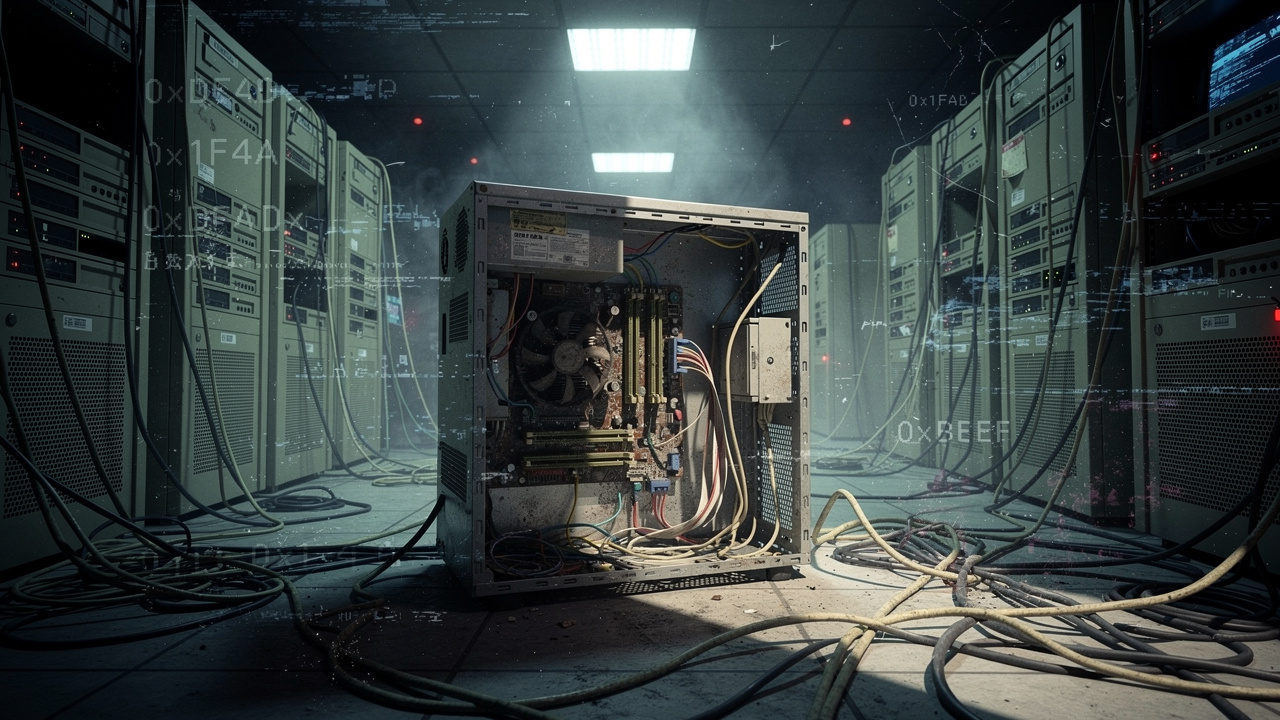
The scary part about this PHP scare is not that two critical bugs existed. It is that they sat quietly inside core internet plumbing for years, and the world only started paying attention when the blast radius looked big enough to take down trust in ordinary websites.
Quick Summary
- PHP security vulnerabilities are trending because two critical flaws, dubbed PHP2Shell, created a credible risk of password-free compromise on servers running PHP.
- The bugs, tracked as CVE-2026-109618 and CVE-2026-109619, pushed companies, governments, and administrators into emergency patching.
- According to reporting from TechCrunch and the BBC, PHP remains deeply embedded in the modern web, which is why a flaw in it becomes everyone’s problem fast.
- The PHP Foundation released patches for the headline flaws, but a separate report from Bleeping Computer highlighted another RCE issue with mitigations and no patch at the time.
- Older stacks matter here: discussions around php 7.1 security vulnerabilities, php 7.2 security vulnerabilities, and even php 5 security vulnerabilities are back because unsupported deployments tend to become the softest targets.
- The bigger lesson is not just “patch now.” It is that internet infrastructure still depends on aging components that many companies understand only when they break.
What Happened with PHP security vulnerabilities
The latest wave of PHP security vulnerabilities centers on two severe bugs that security researchers showed could be turned into real attacks against internet-facing systems. In plain English, this was not a cosmetic software issue. It was the kind of flaw that could let an attacker get into a vulnerable web server without needing a password first.
That is why the reaction was so intense. TechCrunch reported that the flaws forced a rapid patching effort across a huge slice of the web, while the BBC described a broader cyber-security scramble involving governments and site owners trying to work out whether they were exposed. In a separate development, Bleeping Computer reported on a new PHP remote code execution risk affecting non-default configurations, with mitigations available before a patch.
This is the ugly reality of foundational software. When a language that powers a vast amount of web infrastructure stumbles, the consequences travel far beyond developers.
Key Details on PHP security vulnerabilities and the legacy PHP problem
The most important fact is scale. The BBC noted that PHP underpins a huge amount of the web, and Bleeping Computer cited estimates from VirusTotal suggesting more than 5.1 million PHP hosts are exposed online. That number alone explains the urgency. You do not need every server to be vulnerable for the internet to feel the shock, you just need enough of them to be reachable.
TechCrunch identified the two headline flaws as CVE-2026-109618 and CVE-2026-109619. The description was blunt: attackers could exploit them to break into systems running PHP and access or alter data. That is a nightmare scenario for hosting providers, ecommerce operators, universities, media companies, and anyone else running older web applications.
Why php 7 security vulnerabilities still matter
A lot of the real risk sits in neglected deployments. When teams talk about php 7 security vulnerabilities, they are often talking about something larger than a single CVE. They mean old applications, stale dependencies, abandoned plugins, and production servers that nobody wants to touch because “it still works.”
That is where concerns over php 7.1 security vulnerabilities, php:7.1 security vulnerabilities, and php 7.2 security vulnerabilities become practical, not academic. Even if the newest fixes exist, unsupported or poorly maintained systems often struggle to apply them quickly. The same is true, even more brutally, for php 5 security vulnerabilities, where the software age itself becomes part of the threat model.
Patches, mitigations, and the split reality of response
The PHP Foundation moved to publish fixes for the major bugs. That matters. But defenders were also dealing with the messier side of incident response, where not every issue arrives with a clean patch and a simple upgrade path. The Bleeping Computer report on an unpatched RCE with mitigations only is a reminder that security teams often have to reduce risk before they can eliminate it.
That gap is where most operational pain lives. A patch is easy to describe in a press release. Rolling it across thousands of servers without breaking customer workloads is the real work.
What This Means for You if PHP security vulnerabilities hit your stack
If you run a website, manage hosting, or depend on a vendor that does, this is not somebody else’s problem. PHP security vulnerabilities can affect customer data, uptime, login systems, payment flows, and backend administration tools. Even if your own company does not write PHP, your CMS, plugins, ecommerce platform, or control panel might.
If you are a site owner or small business
First, find out what version you are actually running. Plenty of businesses do not know, which is how old software survives in production. If you discover aging deployments tied to php 7.1 security vulnerabilities or php 7.2 security vulnerabilities, you may be looking at a larger modernization problem, not just one emergency update.
Second, ask your host or managed provider for specifics. “We are monitoring the situation” is not enough. You want confirmation of version status, patch status, and mitigation steps for internet-facing services.
If you are a developer or infrastructure team
Inventory beats panic. Know which apps use PHP, which containers are based on older images, and whether any systems still rely on php:7.1 security vulnerabilities territory because no one rebuilt them. Legacy Docker tags and forgotten VM templates are classic hiding places for exposure.
This is also where configuration matters. Bleeping Computer’s reporting suggests at least one fresh RCE concern involved non-default setups, which means teams need to review not just code versions but environment choices. Security failures often come from the combination of old software and “temporary” custom settings that became permanent.
If you are just a user
Expect more forced logouts, maintenance windows, occasional site glitches, and stricter security checks. That inconvenience is the price of doing the right thing after an internet-wide scare. If a service you use is briefly unstable, that may be a sign its administrators are taking PHP security vulnerabilities seriously.
What Others Missed about PHP security vulnerabilities
A lot of the coverage focused on the drama, and fair enough, the threat was serious. But the more interesting story is structural: the internet still runs on an uncomfortable amount of inherited code, inherited architecture, and inherited risk.
The real scandal is operational debt
The web is full of organizations that depend on PHP because it is proven, cheap, and deeply integrated. None of that is irrational. What is irrational is pretending that mature software does not need continuous scrutiny. “Legacy” systems are often treated as boring until they suddenly become business-critical crisis zones.
That pattern looks familiar. We have seen similar dynamics in hosting and admin infrastructure, including the kind of cascading exposure discussed in our piece on Cybersecurity Vulnerabilities Are Still Winning, and the cPanel Mess Proves It. The shared lesson is simple: boring software can still create extraordinary damage.
AI found the flaw, but humans built the conditions
The BBC highlighted that AI helped surface these long-undetected issues. That is a big deal, but it should not comfort anyone too much. Better discovery tools mean defenders can find bugs faster, but attackers get smarter too. The race is shifting from “can this be found?” to “who operationalizes it first?”
This is also where Calif and similar security research ecosystems matter, because the future of defense will depend less on one-off heroics and more on continuous analysis of foundational software layers.
Real Examples of where php 5 security vulnerabilities and PHP2Shell become dangerous
A vulnerable PHP stack does not just threaten a developer sandbox. It can hit:
- WordPress-based business sites, where a compromise can mean defaced pages, malware injection, or stolen customer submissions.
- Ecommerce backends, where attackers may target order records, admin sessions, and payment-adjacent data.
- Hosting panels and shared environments, where one weak configuration can become a bigger multi-tenant problem.
- Old internal tools, especially forgotten dashboards accessible over the internet.
A company still running software exposed to php 5 security vulnerabilities is not simply “behind on updates.” It may be one exploit chain away from a breach review, legal bills, and a reputational hit that costs more than the technical cleanup.
This is why the conversation around PHP2Shell matters beyond headlines. A memorable name makes the story easier to spread, but the underlying issue is plain old attack surface.
For a broader view of how modern cyber risk keeps becoming more personal and less visible, our coverage of Threats in Cybersecurity Just Got More Personal, and More Invisible fits uncomfortably well here.
Pros and Cons of the new focus on PHP security vulnerabilities
Pros
- Urgent disclosure forced organizations to audit neglected systems.
- Public attention may finally push upgrades off old PHP branches.
- Security teams now have a vivid example to justify budget for web stack modernization.
Cons
- Emergency patching can break brittle applications.
- Older businesses tied to custom PHP apps may face expensive rebuilds.
- Attackers now know exactly where defenders are weakest, especially around php 7 security vulnerabilities and unsupported installs.
Conclusion on PHP security vulnerabilities
The immediate crisis may ease once patches and mitigations spread, but the real warning will last longer. PHP security vulnerabilities did not just expose bugs, they exposed how much of the internet still depends on software estates that are patched late, understood poorly, and upgraded only under duress.
What Happens Next (2026-2030)
The winners will be managed platforms, modern hosting providers, and security firms that can automate inventory, patching, and runtime protections. The losers will be organizations clinging to old custom stacks, especially those still flirting with php 7.1 security vulnerabilities or worse. Expect more AI-assisted bug discovery, more public pressure to retire unsupported environments, and more budget flowing toward “boring” infrastructure security. Also expect PHP2Shell to become shorthand for a wider truth: the next internet-scale scare is probably already sitting inside some mature technology everybody assumes is safe.
Sources
About the Author