
The wordle game show sounds like a joke that should have died in a pitch meeting. Instead, it is becoming a real primetime bet, and that tells you something important, television no longer wants the next big idea, it wants the safest possible version of the last internet obsession.
Quick Summary
- Wordle is being adapted into a wordle game show for NBC, with Savannah Guthrie as host.
- Jimmy Fallon and The New York Times are involved as production partners, which makes this more than a novelty licensing deal.
- The show has reportedly been in development for two and a half years, a sign that broadcasters see familiar digital games as TV-ready IP.
- The original Wordle exploded in October 2021, then became one of the most recognizable casual games of the decade after its acquisition by The Times.
- The big question is not whether a game show like Wordle can exist, it can, but whether it can preserve the charm of a game built around quiet, solitary thinking.
- This move could open the door to more app-to-TV conversions, especially for media companies chasing subscription growth, audience retention, and family-friendly entertainment.
What Happened With the Wordle Game Show
The basic news is simple. The New York Times is turning its breakout word puzzle into a wordle game show for NBC, with Jimmy Fallon attached as a production partner and Savannah Guthrie set to host.
That alone would be enough to grab headlines, but the more revealing detail is the timeline. Guthrie and Fallon said the project had been in development for two and a half years. In other words, this was not a spontaneous reaction to a trending topic. It was a long, deliberate attempt to transform a daily digital habit into appointment television.
The show is expected to air next year, and NBC is positioning it as fast-moving, family-friendly entertainment. That already suggests the TV version will borrow the Wordle brand more than the exact Wordle rhythm. The original game thrives on silence, patience, and private deduction. Television thrives on clocks, reactions, and noise.
Key Details on the Wordle Game Show NBC Plan
Several details make this adaptation more significant than it first appears.
First, this is not just a network grabbing a recognizable name. The Times is directly involved, which matters because this appears to be its first entertainment-focused collaboration with a TV broadcaster. For a company still navigating the long decline of print revenue, that is not trivial. It is another reminder that puzzle culture is now part of the business model, not a side attraction.
Second, the talent choices are strategic. Guthrie brings daytime trust and family-TV polish. Fallon brings broad entertainment packaging and a track record of turning simple concepts into polished mass-market bits. If you have been tracking wordle game show casting, that pairing tells you exactly what kind of tone NBC wants, accessible, upbeat, low-friction, and built for broad households rather than hardcore puzzle fans.
Third, the project faces an obvious structural problem. Wordle is a tiny game. One puzzle a day. Five letters. Six guesses. The appeal comes from constraint. Stretching that into a half-hour or hour-long format means adding drama, rounds, eliminations, banter, and probably mechanics that move well beyond the original design.
Why the format question matters
This is where comparisons to the wordle lingo game show conversation become unavoidable. TV has done letter-guessing before. It has done hidden words, timed clues, and family-play formats. So the challenge is not inventing a category. The challenge is justifying why this specific version needs the Wordle name at all.
That is also why some of the early skepticism feels warranted. A game show like Wordle can work perfectly well. The harder task is making a Wordle-branded one feel authentic rather than licensed.
In the middle of all this, the product itself is becoming the headline. The upcoming Wordle TV Game Show is less a direct translation than a test case for how far a beloved digital routine can be stretched before it becomes something else entirely.
What This Means for You if You Love Wordle, TV, or Both
If you are a casual viewer, this may be good news. The wordle game show has a real chance to become easy, family-safe viewing in a fragmented entertainment market. Networks still need broadly understandable formats, and few concepts are more instantly legible than “guess the hidden word before someone else does.”
If you are a Wordle purist, the feeling may be closer to unease. The mobile game’s power comes from ritual. It takes a few minutes, asks almost nothing from you, and rewards thought over spectacle. A studio version risks replacing that elegant restraint with exactly the kind of hyper-produced energy that Wordle never needed.
Who benefits, and who does not
The winners are obvious:
- NBC, which gets a ready-made brand with intergenerational recognition
- The New York Times, which gets another way to turn puzzle fandom into a larger lifestyle media business
- Jimmy Fallon, who continues to sit at the intersection of internet culture and network packaging
The people at risk of losing are also clear:
- viewers who liked Wordle precisely because it was not loud
- puzzle fans who do not want every app turned into content
- producers with original formats who now have to compete with familiar licensed brands
There is also a broader business angle. Wordle was released in October 2021, and despite endless predictions that the fad would fade, it remained culturally sticky enough to support a TV adaptation years later. That is a powerful signal to executives hunting for the next adaptable hit. Expect more meetings about whether mini-games, app mechanics, and subscriber perks can become TV franchises.
If this space interests you, it fits a wider pattern we’ve seen across entertainment and tech, where companies increasingly treat user habits as expandable IP rather than standalone products. That same logic shows up in other platform shifts, from subscription bundles to franchise-first streaming strategies.
What Others Missed About the Game Show Network Wordle Trend
Most coverage has focused on the obvious question: can Wordle fill a TV timeslot? That is interesting, but it is not the most important part.
The deeper story is that media companies now view small daily habits as premium assets. Wordle is not just a game, it is a behavior. It gets people to show up regularly, talk socially, and associate a brand with a low-friction moment of competence. Those habits are gold.
The real business logic behind the wordle game show
That is why this move makes sense even if the show is only moderately successful. The wordle game show extends the brand into another medium, pulls in viewers who may never open the app, and gives The Times a new way to market itself as more than a newspaper subscription. In that sense, the show is less about ratings than brand surface area.
There is also a second missed angle: the adaptation quietly admits that television is now downstream from internet culture. Once, TV created the format and apps imitated it. Now TV increasingly licenses what already proved sticky on phones.
Kotaku’s comparison to older letter-based formats matters here because it points to a tension executives would rather ignore. This may be sold as innovation, but structurally it looks a lot like repackaging. If the game show network wordle era arrives, it will not be because the concept is revolutionary. It will be because familiar IP reduces risk.
For readers who follow gaming and media crossovers, this resembles other moments when a simple interactive experience gets expanded far beyond its natural size. Sometimes that creates a fresh audience. Sometimes it exposes how thin the original mechanic really was.
Real Examples of How a Game Show Like Wordle Could Actually Work
Picture three likely versions of this show.
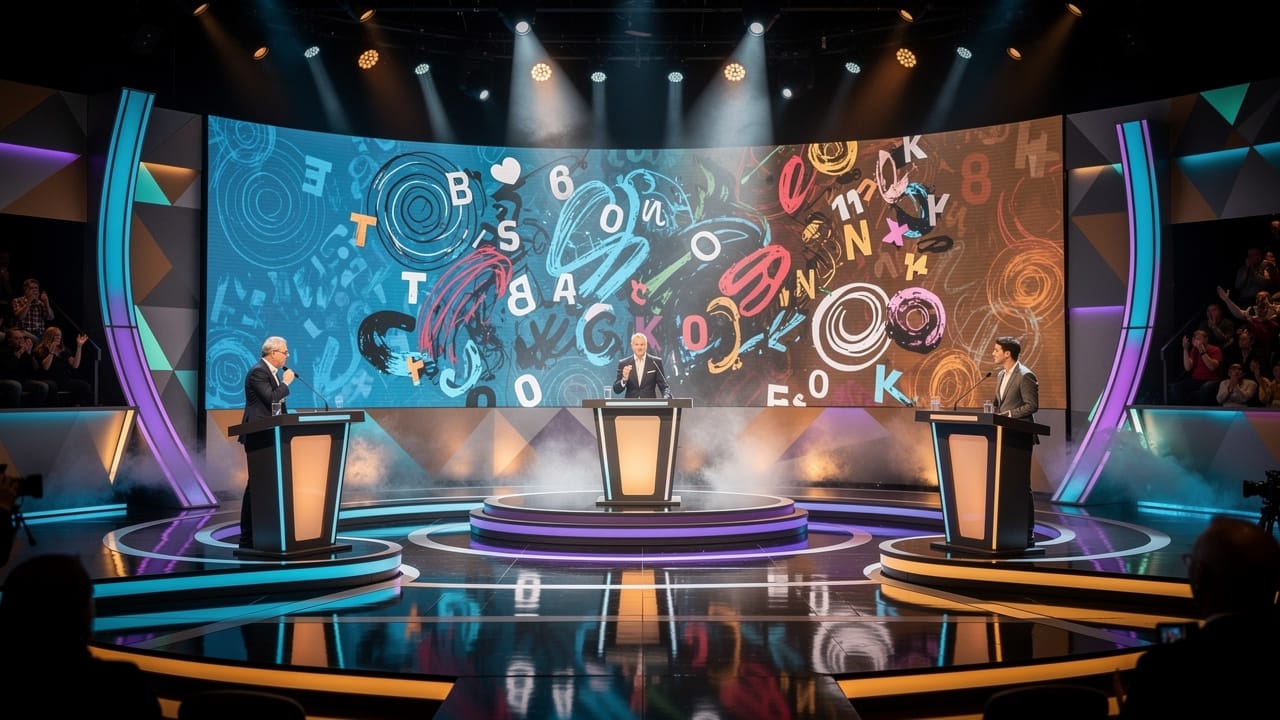
First, the straightforward one: contestants solve five-letter words under a clock, with color-coded feedback projected on giant screens. This is the cleanest adaptation, and probably the least surprising.
Second, the family version: teams collaborate, steal rounds, and answer related word clues for bonuses. That would make the format more social and more TV-friendly, even if it drifts away from the original puzzle.
Third, the expanded franchise version: celebrity editions, tournament weeks, and companion app tie-ins that let viewers play along at home. That is where the brand economics get more interesting, and where the Wordle TV Game Show could start functioning as a cross-platform product instead of just a one-off program.
You can already see why wordle game show casting matters in that scenario. A host has to keep tension alive during moments that, in the app, are mostly internal thought. Guthrie’s role will be to smooth over the dead air without turning the whole thing into parody.
And if the producers are smart, they will avoid overcomplicating it. The moment the wordle game show NBC version starts adding too many side mechanics, it stops feeling clever and starts feeling desperate.
Pros and Cons of the Wordle Game Show
Pros
- Instant brand recognition
- Family-friendly premise with low learning curve
- Easy to market across TV, mobile, and social media
- Strong fit for viewers who want lightweight competition
Cons
- The original game may be too minimal for long-form television
- Fans may see it as over-commercialization
- It risks feeling derivative because similar letter-based formats already exist
- The branding may overshadow whether the format is actually fun to watch
Conclusion on the Wordle Game Show
The wordle game show is not absurd because Wordle is too small. It is absurd because TV now reflexively treats every successful digital habit as something that must become a bigger, louder franchise. Sometimes restraint is the whole point, and television is not very good at restraint.
Still, this could work if NBC remembers what made Wordle popular in the first place: clarity, simplicity, and the quiet thrill of narrowing down the right answer. If it forgets that, the Wordle TV Game Show will feel less like an adaptation and more like a licensing exercise with stage lights.
What Happens Next (2026-2030)
Between now and 2030, expect more networks and streamers to chase “small mechanic, big IP” adaptations. The winners will be media companies with recognizable daily-use products and archives of casual games that can be turned into family entertainment. The losers will be original game show creators pitching riskier formats without built-in brand awareness.
If the wordle game show lands, even modestly, it will validate a whole pipeline of app-native entertainment concepts. If it flops, the lesson probably will not be “stop adapting mobile games.” It will be “pick bigger hooks next time.”
Sources
About the Author