
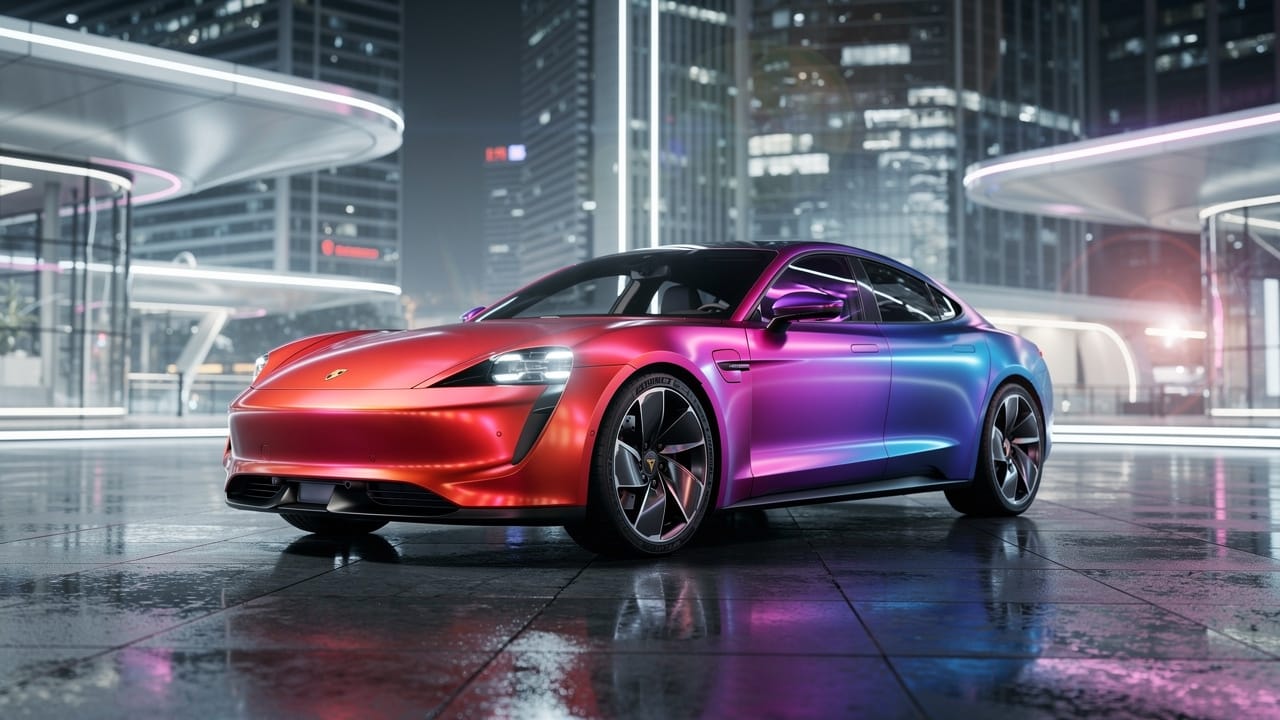
Cars changing color used to sound like auto-show theater, the kind of trick that gets applause and then disappears into a concept graveyard. Now it looks more like a pricing strategy, a software feature, and a very real glimpse at how automakers plan to sell personalization in the electric age.
Quick Summary
- BMW has shown another serious step toward commercial cars changing color, this time with an iX3 Flow Edition concept at the Beijing Auto Show.
- The technology relies on E Ink, the same display approach best known from e-readers, but adapted for a vehicle’s exterior.
- This is not just about style, it could also affect heat management, energy use, and resale flexibility.
- The bigger story is that color may become configurable, not fixed, which changes how people buy and own vehicles.
- Practical barriers still matter, including durability, regulation, repair costs, and whether buyers want dynamic exteriors beyond novelty.
- If this reaches production, changing color cars could turn exterior paint into something closer to software, subscription design, or both.
What Happened With BMW and Cars Changing Color
BMW is once again pushing the idea that a car’s exterior does not have to stay one color for life. At the 2026 Beijing Auto Show, the company showed a new iX3 Flow Edition concept that builds on its earlier experiments with E Ink body panels.
That matters because this is no longer a one-off CES stunt. BMW has been iterating on the concept for years, and that is usually the clearest sign an automaker sees a path, however limited at first, to commercialization. In other words, cars changing color are moving from spectacle toward product planning.
The concept follows earlier work like the BMW iX Flow, which previously demonstrated how electrophoretic surfaces could shift the vehicle’s appearance. The latest reveal suggests BMW believes the tech is mature enough to keep refining in public, instead of quietly shelving it.
Key Details on Color-Changing Cars and BMW’s E Ink Push
The core technology here is E Ink, a low-power display material that changes its visible state when electrical signals move pigment particles. Unlike a traditional screen, it does not need constant power to hold an image. That makes it far more realistic for a vehicle exterior than, say, wrapping the whole car in always-on LED panels.
Why cars changing color are technically plausible now
BMW’s angle is smarter than it first appears. A static paint job is dead simple, cheap, and durable. To replace that, a dynamic surface has to offer more than attention. The pitch is that color-changing cars could help with thermal control by reflecting more heat in hot weather or absorbing more warmth in cold weather. That is especially relevant for EVs, where cabin climate management can cut into driving range.
This is where the story gets more interesting than the headlines. A car that can shift from light to dark is not just a toy for impatient buyers bored with silver. It is also a rolling surface-management system. If that sounds familiar, it should. Consumer tech has already trained people to expect interfaces, themes, and settings everywhere. The car exterior may be next.
The business case behind changing color cars
Automakers love features that feel premium, are visually obvious, and can justify a higher sticker price. Exterior color normally gets decided once, at purchase. If cars color changing becomes practical, manufacturers gain something much more valuable, an ongoing customization layer.
That could mean trim packages, seasonal presets, brand collaborations, fleet identities, or even event-based looks. It also opens the door to software logic. The sources do not say BMW plans subscriptions here, but the industry trend is impossible to miss. Once a physical surface becomes programmable, executives eventually ask how often it can be monetized.
One thing worth noting from the broader context, Beijing remains one of the world’s most important stages for EV and smart-car competition. Showing this there was not random. It signals BMW wants to be seen as technologically aggressive in a market where digital features increasingly matter as much as horsepower.
What Cars Changing Color Mean for You, Not Just for Auto Shows
If this technology reaches actual buyers, the biggest change is simple: your car’s appearance may stop being permanent.
Ownership gets more flexible
Today, choosing a car color is a mildly stressful long-term bet. Buyers think about resale, dirt visibility, heat, personal taste, and whether they’ll hate the choice three years later. Cars changing color would soften that decision. A driver could pick white for summer, darker tones for winter, or a neutral look for resale.
For fleet buyers, the value could be even bigger. Rental companies, corporate fleets, ride-hailing services, and luxury chauffeur brands could adapt a vehicle’s appearance without repainting or rewrapping. That cuts downtime and could reduce the cost of rebranding.
The hidden costs will matter more than the wow factor
Here is the less glamorous side. If an E Ink exterior panel gets damaged, can it be repaired cheaply? If one panel ages differently from another, will color uniformity break down? What happens after years of sun exposure, road salt, pressure washing, and minor fender-benders? Those questions will decide whether this stays niche.
Insurance is another issue. A normal paint scratch is one thing. A damaged dynamic body surface could be treated more like a display repair than cosmetic work. That likely means higher replacement costs, at least early on.
There is also regulation. In many places, vehicle color can affect registration records, policing, and road-legal visibility rules. Governments may be fine with limited approved shades, but not with infinite dynamic patterns. Nobody wants highways filled with rolling attention traps.
Why some buyers will love it and others absolutely won’t
Luxury buyers often want distinction. That makes changing color cars a natural fit at the high end first. But mainstream buyers may see it differently. A lot of drivers want their car to work, age well, and not become a repair nightmare.
That split is why this trend may follow the path of panoramic roofs or giant infotainment screens. It begins as a premium headline feature, spreads selectively, and then either becomes normalized or stalls once real-world durability costs show up. A related shift is already visible in consumer products beyond autos, which is part of why our look at the la crosse technology digital color changing deep sleep alarm clock and BMW’s new car pointed to a broader market obsession with surfaces that can adapt on command.
What Others Missed About Cars Changing Color
Most coverage treats this like a flashy design story. That undersells what is actually happening.
This is about the software-ification of the car body
The real shift is not pigment. It is control. Once the outside of a vehicle becomes programmable, the boundary between hardware and interface starts to blur. That has consequences for branding, regulation, advertising, and ownership rights.
Could future owners unlock premium looks after purchase? Could automakers limit some appearances by region or trim level? Could fleets sync vehicle color to an app, a route, or a campaign? Those questions sound speculative now, but they are exactly the kind of follow-on logic the modern car business tends to pursue.
Why color-changing cars fit the EV era
EV design has created a strange problem for legacy carmakers. Electric platforms often make cars smoother, quieter, and visually less differentiated. So brands need new ways to stand out. Software helps. Lighting helps. Interfaces help. Cars changing color may become another way to create identity when the mechanical differences are harder for buyers to feel.
There is also an efficiency argument. Lighter surfaces reflect more sunlight, darker ones absorb more. Even modest thermal gains matter in EVs because climate control affects range. The savings will not magically transform battery performance, but even small efficiency gains are valuable when scaled across thousands of vehicles.
The weird pop-culture angle nobody can ignore
Search behavior tells its own story. People are not just looking for engineering explainers, they are searching for terms like color changing lightning mcqueen cars and mcqueen color changing cars. That may sound silly, but it reveals something important: the public already understands color-shift vehicles through toys and entertainment before they understand them through engineering.
That is good news for automakers. If consumers have already been trained by pop culture to see adaptive vehicle color as fun and normal, the leap to real products gets easier.
Real Examples of How Color-Changing Cars Could Show Up First
The first real use cases probably will not be family crossovers in suburban driveways.
Luxury editions are the obvious entry point. BMW can use limited-run halo models to test whether buyers will pay a premium for dynamic exterior finishes. That lowers risk and turns early adopters into rolling marketing.
Commercial fleets are another strong candidate. Imagine airport shuttles, hotel vehicles, or ride-hail premium fleets that can shift branding by time of day or service tier. That is much more practical than a viral demo.
Then there is climate logic. A driver in Phoenix may want a reflective exterior most of the year. A driver in colder regions may prefer darker tones during winter. If the thermal benefits prove real, this stops being a style feature and starts becoming a comfort-and-efficiency feature.
Even the toy-like side matters. The popularity of searches around color changing lightning mcqueen cars suggests there is a consumer appetite for playful transformation. Adults may roll their eyes, but the auto industry has always sold emotion before utility.
Pros and Cons of Cars Changing Color
Pros
- Greater personalization without repainting or wrapping
- Possible thermal-management benefits for EV efficiency and cabin comfort
- Better flexibility for resale and fleet branding
- Strong premium appeal and obvious visual differentiation
Cons
- Likely high repair and insurance costs at launch
- Durability questions in real weather and road conditions
- Potential legal limits on how much a car can change appearance
- Risk that it becomes a gimmick or a subscription feature nobody asked for
Conclusion on Cars Changing Color
Cars changing color have crossed an important line. They are no longer just imaginative concept bait, they are starting to look like a serious experiment in how automakers can turn the vehicle exterior into a configurable product.
BMW’s latest push does not guarantee mass adoption. But it does suggest the next battleground in car design may be less about paint and more about programmable surfaces, with all the benefits, costs, and annoyances that implies.
What Happens Next (2026-2030)
Expect the first winners to be premium brands that can charge extra for novelty and absorb early reliability problems. Fleet operators and luxury buyers may adopt color-changing cars before regular consumers do, especially if branding and thermal benefits prove real. The losers could be traditional paint and wrap businesses if dynamic exteriors become easier to maintain than they are today, though that is far from guaranteed. By 2030, the most realistic outcome is not fully freeform body art, but a tightly controlled set of approved appearance modes sold as a high-end feature, with the BMW iX Flow remembered as the prototype that made the idea feel inevitable.
Sources
About the Author