
A Sky‑High Valuation Meets a Sky‑High Ambition
SpaceX is stepping onto public markets with one of the boldest stories in tech. The company has filed confidentially for an initial public offering that could value it at around $1.75 trillion, according to TechCrunch, while BBC Technology reports expectations that the market value could surpass $1 trillion once shares begin trading.
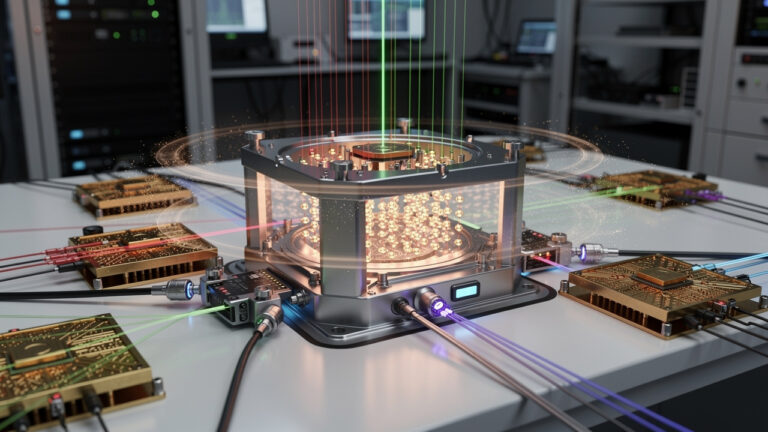
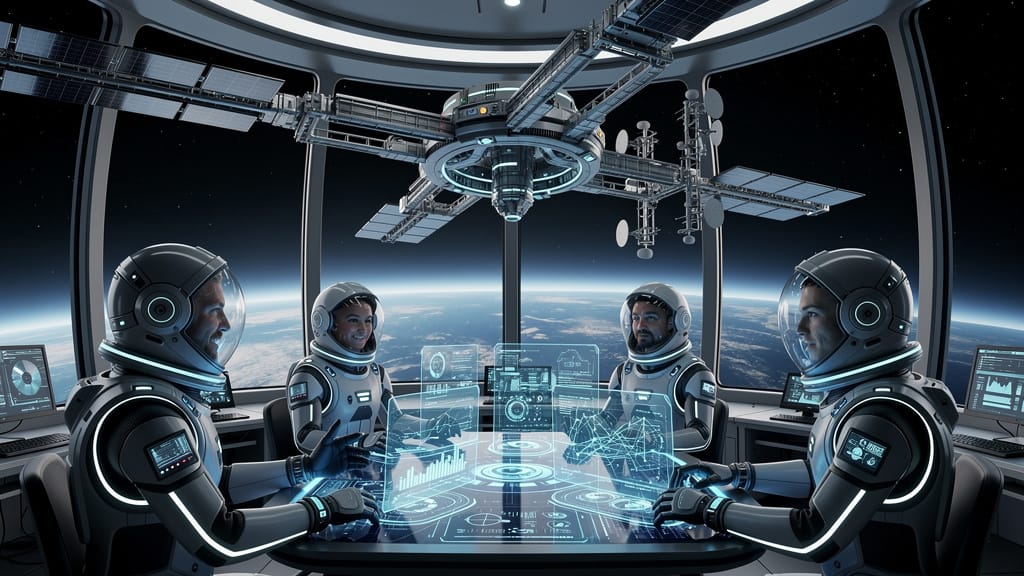
At that scale, investors will not be satisfied with rockets and satellite internet alone. A key part of the narrative that might support such a valuation is Elon Musk’s vision of orbital data centers, a concept that aims to put large‑scale computing infrastructure in space rather than on Earth.
This idea sits at the intersection of three powerful trends: the commercialization of space, the AI boom and the growing backlash against traditional data centers. The open question is whether orbital computing is a visionary solution or an expensive distraction.
Why Put Data Centers in Orbit at All?
In January, SpaceX filed an application with the US Federal Communications Commission to launch up to one million data centers into Earth’s orbit, according to MIT Technology Review. The stated ambition is to support the explosive growth of AI while avoiding the environmental and social strain that comes with building ever more server farms on the ground.
The timing is not accidental. As discussed on TechCrunch’s Equity podcast, communities across the United States are increasingly resistant to new, power‑hungry data center projects. Data centers require huge amounts of electricity and, in many cases, substantial water for cooling. Local residents worry about higher utility prices, infrastructure stress and land use.
Panelist Sean O’Kane suggested that for executives like Elon Musk and Jeff Bezos, the engineering challenge of placing data centers in orbit may actually appear less daunting than the social and political challenges of building them on Earth. If neighbors, regulators and local officials are becoming a bottleneck, shifting at least part of the infrastructure to space could look strangely appealing.
There is also a sustainability argument. The current AI wave is driving a rapid rise in energy consumption across data centers worldwide. Proponents of orbital infrastructure believe space‑based systems could tap abundant solar energy, reduce the need for water cooling and help decouple digital growth from local ecological constraints.
The Competitive Context: Space Is Getting Crowded
SpaceX is not alone in eyeing computation beyond the atmosphere. According to MIT Technology Review:
- Amazon founder Jeff Bezos has publicly predicted a shift to large‑scale computing in space, extending his long‑standing vision of moving heavy industry off Earth.
- Google plans to test a constellation of about 80 data‑processing satellites as soon as next year, an early step toward space‑based cloud services.
- Startup Starcloud, based in Washington State, has already launched a satellite equipped with an Nvidia H100 GPU, making it one of the first tests of an advanced AI chip in orbit, with ambitions for space data centers comparable in size to terrestrial ones by around 2030.
SpaceX enters this landscape with obvious advantages. It owns the launch infrastructure, has deep expertise in satellite operations through Starlink, and now wants to extend that stack to the computational layer. If orbital data centers become commercially viable, the company could control a vertically integrated platform from rockets to routing to GPUs.
That kind of end‑to‑end control is exactly the sort of thing that can excite public market investors at the trillion‑dollar scale.
Four Tough Problems That Must Be Solved
The enthusiasm around orbital data centers is tempered by very real technical hurdles. MIT Technology Review outlines the core categories of challenges that must be overcome to make the idea more than a marketing story.
1. Launching and Building at Unprecedented Scale
Putting up to one million data centers in orbit is not just ambitious, it is unprecedented. Even for a company that regularly launches payloads, the required number of missions, the cost of hardware and the logistics of assembling such a vast network present a steep barrier.
SpaceX does have an edge with reusable rockets, but data centers are far more complex than communications satellites. Radiation‑hardened chips, fault‑tolerant storage and modular designs that are easy to replace or upgrade will all be needed at scale. Any path to profitability will depend on significantly lowering both launch and hardware costs.
2. Power and Cooling in a Vacuum
Data centers generate enormous heat, and on Earth that is typically managed with air or water cooling. In orbit, there is no air and no ready access to water. Engineers must rely on radiative cooling, smart thermal design and potentially new materials to move heat from sensitive electronics into the cold of space.
On the plus side, solar power is plentiful in orbit. Properly engineered, solar arrays could feed power‑hungry AI accelerators without drawing from terrestrial grids. The trade‑offs between array size, satellite mass and power demands will be central to whether orbital computing becomes truly economical.
3. Connectivity and Latency
For many applications, data needs to move quickly between users and servers. While low Earth orbit already allows Starlink to provide relatively low‑latency internet, adding heavy AI workloads complicates the picture.
High‑capacity links will be required between orbital data centers and ground stations, as well as among the satellites themselves. For uses such as training large AI models or serving latency‑sensitive applications, even modest delays can be problematic. SpaceX and its rivals will need to decide which types of workloads are a good fit for orbital deployment and which should remain firmly on the ground.
4. Reliability, Maintenance and Debris
Keeping thousands or even millions of computing nodes functional in space is a daunting reliability problem. Radiation, micrometeoroids and thermal cycling all degrade equipment faster than in a controlled data hall.
This raises maintenance questions. Will satellites be serviced robotically, replaced entirely or designed to operate only for a limited term? Every failed satellite adds to the growing risk of space debris, a threat not just to orbital data centers but to all space activity. Robust end‑of‑life and deorbit strategies will be essential for any large constellation to gain regulatory and public acceptance.
Can This Vision Support a Trillion‑Dollar Price Tag?
With its confidential IPO filing, BBC Technology notes that SpaceX is on track to become one of the most valuable publicly traded companies on Earth. The report also suggests that Elon Musk’s holding in the firm could make him the world’s first trillionaire if markets embrace the story.
Orbital data centers are part of that story, not necessarily because they will soon dominate SpaceX’s revenue, but because they position the company as a central infrastructure provider for the AI age. If Musk can convince investors that Starlink, launch services and orbital compute form a mutually reinforcing ecosystem, the premium valuation begins to look more plausible.
Still, the gap between concept and reality is vast. As TechCrunch’s Equity hosts pointed out, the capital expenditure required to make orbital data centers real will be enormous, and the technology is far from mature. Early projects from competitors like Google and Starcloud may help validate the concept or highlight its limits.
In the near term, orbital computing is best understood as a high‑risk, high‑reward option in SpaceX’s portfolio. It is a bold bet that societal resistance to terrestrial data centers, combined with the relentless growth of AI workloads, will force the industry to look up rather than out.
For public investors preparing to evaluate SpaceX, the key questions are clear: How credible is the roadmap to space‑based data centers, what role will they play in the company’s revenue mix and how much of today’s valuation is already pricing in a future that is still confined to technical papers and FCC filings?
The answers will determine whether orbital data centers are remembered as a turning point in computing history or as a spectacular example of tech’s tendency to promise the sky.
Sources
About the Author