

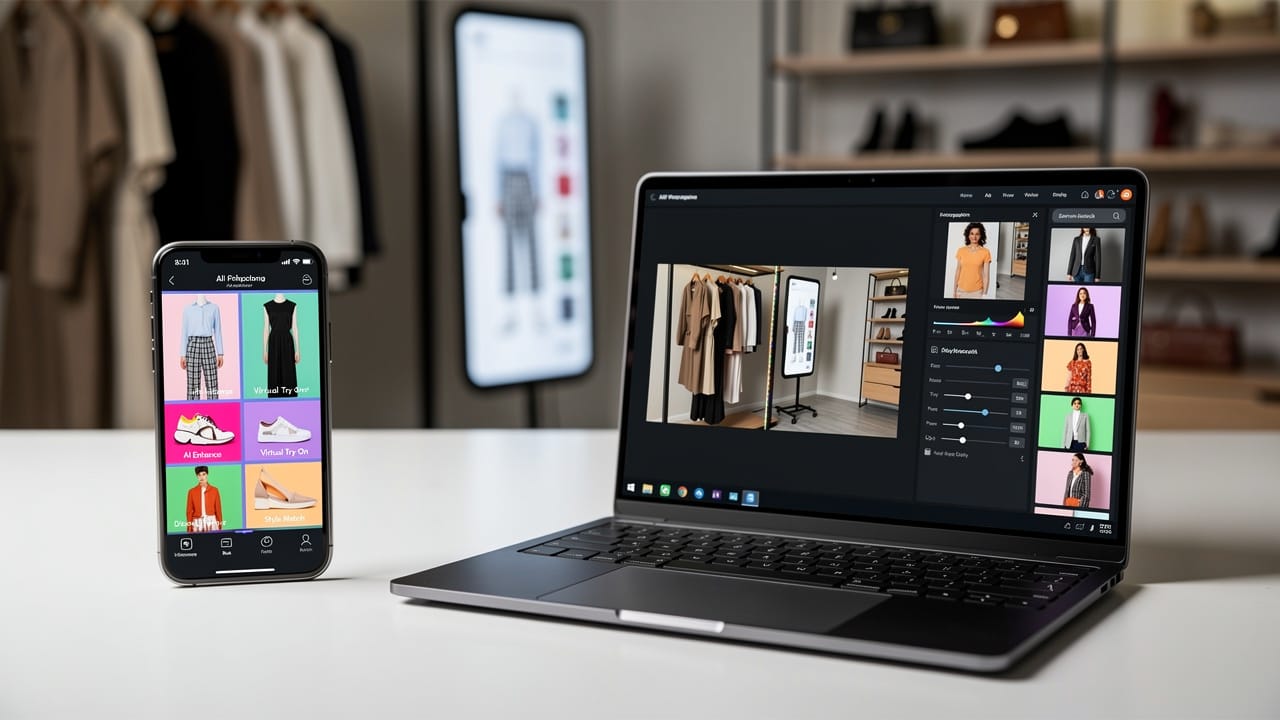
The next big fight in photography is not about image quality, it is about control. AI photography tools are no longer just fixing bad lighting or removing strangers from the background, they are starting to tell you what to wear, what to buy, and how your own body might look in clothes you have not even put on yet.
Quick Summary
- Google Photos is rolling out an AI-powered wardrobe feature that can identify clothes in your library and turn them into a digital closet.
- The feature goes beyond organization, it lets users mix outfits and virtually try them on, pushing AI photography tools into personal styling.
- This matters because the camera app is quietly becoming a shopping interface, not just a memory archive.
- The trend lines up with a broader shift in mobile AI, including reports that Apple may bring stronger AI photo-editing tools to the iPhone in iOS 27.
- For users, the upside is convenience. The downside is obvious, more intimate data about your body, taste, and buying habits flowing into major platforms.
- The real story is not novelty. It is that ai photography tools are moving from editing images to interpreting your life.
What Happened With Google Photos and ai photography tools
Google is pushing Google Photos beyond backup and search into something closer to a digital stylist. Its new wardrobe feature uses AI to scan the clothing already visible in your photo library, sort those items into categories, and let you build outfits from them inside the app.
That would already be a big shift for consumer photography software. But the more interesting layer is virtual try-on. Instead of simply tagging a sweater or pair of pants, the app is moving toward simulating how those clothes might work together on you. In plain English, one of the most mainstream ai photography tools in the world is becoming a fashion assistant.
This is why the announcement matters beyond novelty. The same technology stack that powers image recognition, photo search, and object segmentation can now feed shopping, styling, and self-presentation.
Key Details on ai photography tools and the New Digital Closet
The idea is simple enough to explain, but strategically much bigger than it sounds.
Google says the feature will build a digital copy of your wardrobe from the photos you have already taken. Once the clothes are recognized, users can filter by categories such as tops, bottoms, and jewelry, then combine pieces into outfits. The inspiration is obvious to anyone who remembers Clueless, but the execution is pure 2026, less movie fantasy, more machine learning pipeline.
Why this matters for photography ai tools
For years, photography ai tools mostly lived in three buckets: cleanup, enhancement, and generation. Remove blemishes. Sharpen a portrait. Expand a background. Create a fake backdrop for a product shot. Those uses remain huge, especially in the growing market for the best ai tools for product photography, where sellers want studio-style images without renting a studio.
What is changing now is intent. The photo is no longer just the thing being improved. It is the raw material for a service layered on top of the image. In this case, your photo archive becomes a structured clothing database.
Mashable’s reporting on iOS 27 points in the same direction. Apple is still seen as trailing in some AI experiences, but the pressure is clear across the industry. Every major platform owner wants AI inside the photo experience, because the photo library contains something much more valuable than pretty images, it contains behavior, identity, and purchase signals.
The product layer is the real business
That is why the Google Photos AI-Powered Digital Closet matters more than it may first appear. It is not just a cute utility. It is a bridge between personal photos, fashion discovery, and retail behavior.
This also overlaps with a broader shift we have covered before in AI in Photography Is Moving Beyond Editing, Now It Wants to Describe Your Pictures Too. Once AI can identify objects, context, style, and intent inside your photos, product recommendations are the next obvious step.
What This Means for You if You Use ai photography tools
If you are a casual user, this could be genuinely useful. Most people own clothes they forget about, duplicate purchases they did not need, and outfits they never think to combine. A wardrobe layer inside a photo app could make the camera roll more practical than any separate fashion app has managed to be.
Still, convenience is only half the story.
Your photo library becomes behavioral data
A digital closet is built from intensely personal signals. Not just what you wear, but when you wear it, how often it appears, whether it is seasonal, formal, athletic, or expensive-looking. That gives platforms a much richer profile of you than simple image storage ever did.
This is where ai photography tools stop feeling neutral. A feature marketed as fun can also become infrastructure for commerce. If a service knows your wardrobe gaps, it can suggest purchases. If it knows your preferred silhouettes or colors, it can rank ads differently. If it can estimate body shape well enough for try-on, it holds a far more sensitive model of you than a normal gallery app ever needed.
Winners, losers, and the new default
Who benefits? Users who hate shopping in stores, creators building style content, and platforms that can keep you inside their ecosystem longer. Retailers may benefit too, especially as ai product photography tools start linking catalog images with consumer try-on experiences.
Who loses? Smaller style apps that built entire businesses around wardrobe management could be squeezed fast. The same thing happened in other app categories when operating systems or major platforms absorbed niche features.
And for photographers, especially commercial ones, the pressure grows. Brands already use ai tools for product photography to create cleaner listings, faster mockups, and endless variations. If mainstream consumer apps also become virtual fitting rooms, some fashion photography work could shift from capture to asset preparation and AI supervision.
What Others Missed About Google Photos, Commerce, and ai photography tools
Most coverage treats this like a clever feature update. That undersells what is happening.
The camera roll is becoming a retail layer
The real innovation is not outfit planning. It is the merging of three things that used to be separate: photography, personal data, and shopping intent. Once those systems merge, the photo app stops being passive storage. It becomes an engine for recommendation and conversion.
This is also why the race matters between Google and Apple. Whoever makes AI feel most natural inside photos gets access to one of the richest consumer datasets on any phone. Search history tells companies what you ask for. Your images often reveal what you actually do.
That same logic is already reshaping adjacent categories. In our earlier piece, AI Photo Editing Just Took a Bigger Step Than Filters, Google Wants to Write the Story Around Your Images Too, we argued that image apps are being rebuilt into interpretation layers. This wardrobe feature is part of that same trend. The photo is no longer an endpoint, it is input.
Why ai tools for photography are moving beyond editing
This is the key market shift. Traditional ai tools for photography solved visual problems. Newer ones solve decision problems. What should I wear? Which listing image will convert? Does this item match what I already own? That makes the technology more commercially valuable, and more invasive.
It also explains why the best ai tools for product photography increasingly overlap with personalization engines. A seller wants not just a beautiful image, but a persuasive one, ideally tailored to the shopper viewing it.
Real Examples of Where These ai photography tools Show Up Next
A few obvious use cases are already emerging.
First, everyday wardrobe planning. You photograph a jacket months ago, forget it exists, and the app surfaces it when the weather changes. That is simple, useful, and likely sticky.
Second, resale and recommerce. A structured closet could make it much easier to identify what you own and list it for sale, especially if AI can extract cleaner item shots from older photos. That is where ai tools for product photography and consumer wardrobe tech start to converge.
Third, small business retail. Boutique sellers and secondhand shops already lean on ai product photography tools to produce polished images with minimal gear. Add virtual try-on logic, and suddenly even tiny merchants can offer something that used to require expensive e-commerce infrastructure.
Fourth, phone-native editing ecosystems. If Apple really expands AI photo editing in iOS 27, users may soon expect their photo libraries to do more than organize. They will expect suggestions, simulations, summaries, and shopping hooks built directly into the camera experience.
Pros and Cons of ai photography tools in Personal Styling
Pros
- Makes photo libraries more useful, not just searchable
- Helps users rediscover and combine clothes they already own
- Could reduce unnecessary purchases by highlighting existing options
- Creates new utility for creators, resellers, and fashion-focused users
- Pushes mainstream ai photography tools into genuinely practical territory
Cons
- Requires deeper analysis of highly personal image data
- Could intensify targeted advertising and purchase nudging
- Risks body-image issues if virtual try-on results feel unrealistic
- May crowd out smaller apps and independent services
- Extends the commercial reach of ai photography tools far beyond editing
Conclusion on ai photography tools and the Future of Photo Apps
The biggest mistake is to see this as a gimmick. AI photography tools are evolving from software that changes pictures into software that interprets your possessions, preferences, and likely next purchase.
That is useful, but it is also a power shift. The companies that own your photos increasingly want to own the decisions that come after the photo too.
What Happens Next (2026-2030)
Between now and 2030, the winners will be platforms that turn photo libraries into action layers, not just archives. Google has a head start because search, shopping, and image recognition already live under one roof, while Apple will likely compete by making AI feel more private and more seamless on-device. Retailers and marketplace sellers will adopt more ai photography tools because better images are no longer enough, they will want personalized presentation and virtual fit. The losers will be standalone apps that only edit, only organize, or only style, because users will expect all three in one place.
Sources
About the Author