
The surprising part is not that Sony launched more gaming gear. It is that the company seems to have stopped designing displays like a TV brand dabbling in PC hardware, and started targeting the ugly, demanding reality of modern competitive play.
Quick Summary
- The Sony InZone M9 gaming monitor conversation is trending because Sony expanded its InZone lineup with a sharper new OLED strategy and a new open-back headset.
- Sony’s new monitor push is centered on the InZone M10S II, a 1440p OLED display aimed at esports players who care more about speed and motion clarity than 4K bragging rights.
- This new approach looks smarter than Sony’s earlier premium monitor effort because it aligns better with what high-refresh PC players and PS5 owners actually use.
- The company is also broadening the ecosystem with the InZone H6 Air headset and updates to earbuds and accessories, signaling that this is not a one-off experiment.
- The bigger fight is not just against one rival, it is against Asus, LG, and every brand trying to own the premium Sony PlayStation gaming monitor and esports display space.
- For buyers, the real question is simple: is Sony finally building a Sony gaming monitor for PS5 and PC users that feels purpose-built, not merely branded?
What Happened With Sony’s Gaming Monitor Push
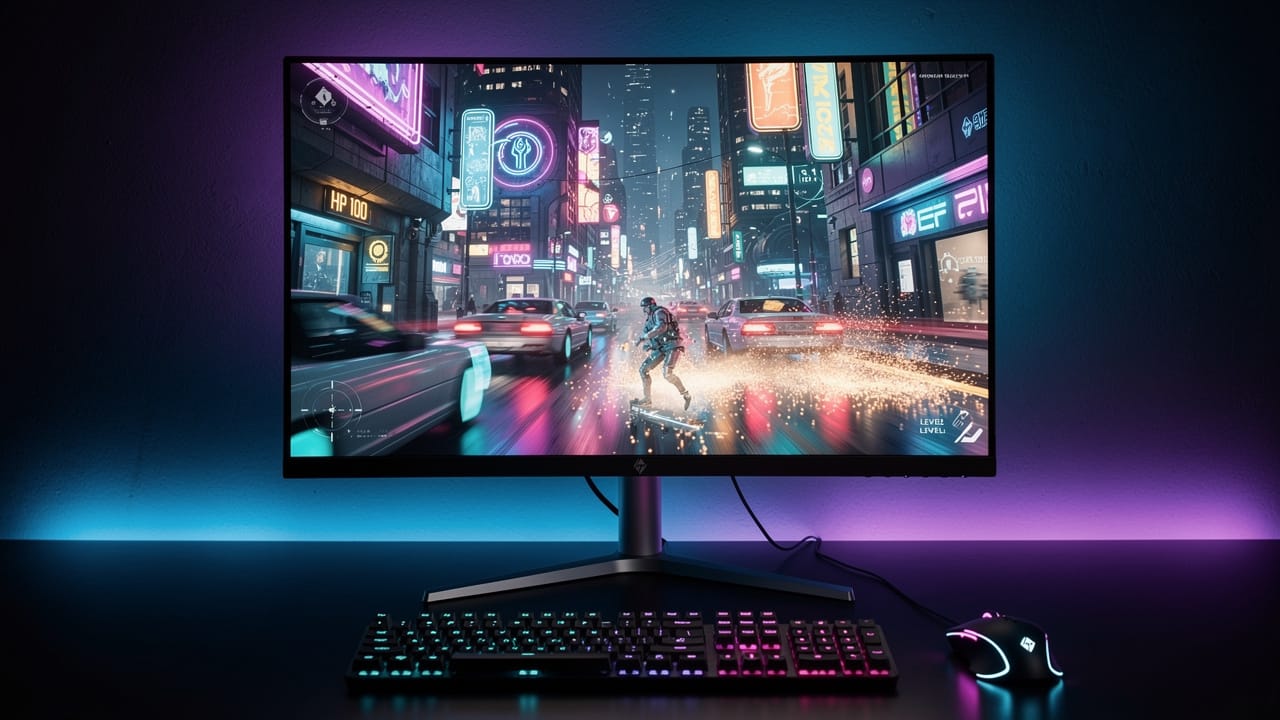
Sony has expanded its InZone lineup again, and this time the monitor side of the story matters more than the accessory headlines. The company introduced a new OLED display, the InZone M10S II, alongside a new open-back gaming headset, the InZone H6 Air.
That matters because the Sony InZone M9 gaming monitor discussion has long been colored by one question: why did Sony, with all its display expertise, take so long to make a monitor that really fits how serious gamers play in 2026? The answer appears to be that the company is shifting away from “premium on paper” and toward “competitive in practice.”
The new monitor is a much more direct attack on the fast-growing 27-inch, 1440p, OLED esports tier, a category already crowded with aggressive rivals. According to reporting from The Verge and PC Gamer, Sony is no longer pretending that one flashy spec sheet can win over everyone. It is trying to serve a narrower, more serious audience.
Key Details on the Sony InZone M9 Gaming Monitor Shift
The headline spec is clear: Sony’s new monitor is a 1440p OLED model, not another attempt to sell gamers on resolution first. That alone is a meaningful correction. For many competitive players, 1440p remains the sweet spot between visual sharpness and frame rate headroom.
Why 1440p makes more sense than another 4K flex
A lot of gaming hardware marketing still acts like 4K is the universal endgame. It is not. On PC, 1440p often gives players the better balance of responsiveness and image quality. On console, especially for a Sony gaming monitor for PS5, it also maps more realistically to how many games actually perform.
The Sony InZone M9 gaming monitor brand recognition comes from Sony’s earlier efforts in premium displays, but the newer strategy looks more grounded. The Sony InZone M10S OLED gaming monitor category is where the company can finally be taken seriously by players who care about refresh rate, pixel response, and motion handling, not just cinematic visuals.
PC Gamer also highlighted that Sony is entering the dual-mode and esports-oriented OLED market more aggressively, including a Fnatic collaboration angle. That tells you exactly who the customer is supposed to be: not the couch gamer looking for a small TV, but the desk setup buyer who compares latency numbers and panel behavior before spending serious money.
The broader InZone expansion matters too
Mashable reported that Sony also rolled out the InZone H6 Air, an open-back headset, plus updates across its gaming audio and peripherals lineup. That matters because hardware buyers increasingly shop by ecosystem, not by single product.
A Sony gaming monitor lands differently when paired with Sony audio, Sony console compatibility, and a brand identity that already dominates the living room through PlayStation. The company is trying to turn that trust into desktop credibility.
There are also a few concrete data points here worth noticing. First, the monitor segment in question is 1440p, not 1080p or 4K. Second, this is a 27-inch class esports-style OLED market, which has become one of the hottest premium categories. Third, the timeline matters: Sony is making this move in 2026, after years of watching rivals shape gamer expectations first.
What the Sony InZone M9 Gaming Monitor Means for You
If you play on both PC and PS5, this is where Sony’s strategy starts to make real sense. A lot of buyers want one display that can handle twitch shooters, big cinematic exclusives, and regular desk use without feeling compromised in every mode.
For PS5 players, this could be the right kind of Sony PlayStation gaming monitor
A Sony PlayStation gaming monitor sounds obvious on paper, but in practice, Sony has sometimes felt oddly disconnected from the needs of PlayStation owners who do not want a full-size TV. Many players want a compact desk display with strong HDR, fast refresh, and no nonsense setup.
That is why this newer OLED direction is important. If Sony can tune image processing, input behavior, and console compatibility properly, it has a chance to make a gaming monitor Sony fans actually choose over LG, Asus, or Alienware.
The catch is price. OLED remains premium. If Sony prices this too close to better-established alternatives, brand loyalty alone will not save it.
For PC players, specs matter more than the logo
PC players are harsher shoppers. They do not care that Sony makes excellent cameras, TVs, or consoles. They care whether the panel performs, whether text rendering is decent for mixed use, whether burn-in protections are smart instead of annoying, and whether the monitor behaves properly at high refresh rates.
That is where the Sony InZone M9 gaming monitor discussion gets interesting. If Sony’s newer OLED products genuinely improve on its first monitor efforts, then it has a shot at credibility. If not, this becomes another expensive “nice try” in a category where enthusiasts remember every flaw.
What Others Missed About Sony’s New OLED Push
Most coverage focused on the launch itself. The more important angle is what this says about Sony’s late but deliberate strategy.
Sony is not trying to beat every monitor maker everywhere. It is targeting the overlap between three lucrative groups: PS5 owners who game at a desk, PC players who want premium OLED speed, and buyers who already trust Sony industrial design.
The Sony InZone M9 gaming monitor is really about identity, not just hardware
The first wave of InZone products often felt like Sony was borrowing gamer aesthetics without fully understanding gamer priorities. This new wave suggests the company finally sees the opportunity more clearly.
A Sony gaming monitor cannot just be “good for a Sony product.” It has to survive direct comparison against specialist brands that built their reputations around refresh rates, low latency, and esports credibility. That is why the Fnatic connection matters. It is borrowed legitimacy, yes, but also a signal that Sony knows exactly where it looked weak.
There is another layer here. Sony’s hardware business is strongest when it controls an ecosystem. That is true in cameras, true in PlayStation, and true in home entertainment. Monitors and headsets are harder because gamers mix brands constantly. The smart move is not to force lock-in, but to become the premium default for players already living in the PlayStation world.
If Sony succeeds, it could own a very valuable niche: the high-end Sony gaming monitor for PS5 buyer who also uses a PC.
Real Examples of Where This Matters
Think about three common setups.
First, the PS5 owner who plays Call of Duty at a desk and wants more speed than a TV usually delivers. That buyer has been shopping LG, Asus, Samsung, and Alienware for years. Sony now wants to be in that tab list.
Second, the PC player who spends weekdays working on the same desk, then switches to Valorant or Apex at night. For that person, a Sony InZone M10S OLED gaming monitor has to do more than look good in a press release. It needs clean motion, manageable OLED care features, and enough practical usability to survive daily life.
Third, the hybrid gamer who jumps between big single-player games and esports. This user is exactly why the old “resolution first” pitch falls apart. They do not need the highest number on the box. They need a display that feels fast when it matters and rich when it should.
There is also a broader market context. As Kotaku noted in a different but related gaming conversation, publishers like Capcom are hitting a strong run with visually ambitious titles and technically polished releases. Better games create stronger demand for premium displays, but not all premium displays fit how those games are actually played.
Pros and Cons of Sony’s New Gaming Monitor Strategy
Pros
- Sony is finally aligning monitor specs with real gamer use cases.
- 1440p OLED is a smarter target than another luxury-first 4K play.
- The wider InZone ecosystem, including headset launches, makes the platform feel more serious.
- Sony has a natural advantage with PS5 owners looking for a desk-friendly premium display.
Cons
- Sony is arriving late to a category where rivals already have loyal followings.
- Premium OLED pricing could make the value case difficult.
- The Sony InZone M9 gaming monitor reputation still carries baggage from earlier expectations.
- PC enthusiasts will not grade Sony on potential, they will grade it on performance per dollar.
Conclusion on Sony’s Gaming Monitor Bet
Sony’s latest monitor push looks less like a side project and more like a correction. The company seems to understand that gamers do not need another expensive display with vague premium vibes, they need a fast, practical screen that fits how PC and PS5 gaming actually work now.
If the InZone M10S II delivers where it counts, the Sony InZone M9 gaming monitor conversation could shift from skepticism to relevance. That would be a bigger win than any launch headline.
What Happens Next (2026-2030)
Between now and 2030, Sony’s best shot is not dominating the whole monitor industry. It is owning the premium crossover lane between console and PC. Brands like Asus and LG will keep winning on breadth, but Sony can win on ecosystem fit if it gets pricing and performance right.
The losers will be companies still selling generic “gaming” displays with bloated spec sheets and weak real-world tuning. The winners will be brands that understand gamers are now shopping by use case, not marketing category. If Sony keeps refining products like the InZone M10S II, it could finally become more than a famous name passing through the monitor aisle.
Sources
About the Author