
The next big AI device may not sit on your desk or in your pocket. It may hang on your chest, listen all day, and ask you to trust a company that still has not convinced the public it can be trusted with that much intimacy.
Quick Summary
- Meta is reportedly developing an AI-powered pendant, a sign that ai technology advancements 2025 are moving beyond chatbots and into always-on wearable hardware.
- The reported device appears linked to Meta’s late-2025 acquisition of the startup Limitless, which made pendants that could record conversations.
- This fits a broader push into AI wearables, including more AI glasses and a reported workplace subscription plan called Wearables for Work.
- The bigger story is not the gadget itself, it is the industry’s attempt to normalize ambient AI, software that is always present, always listening, and increasingly tied to work.
- At the same time, a very different conversation is happening around AI ethics, with fresh arguments that technology is never neutral and must be governed by human values.
- The clash between convenience and control is becoming one of the defining themes of ai technology advancements 2025.
What Happened in AI Technology Advancements 2025
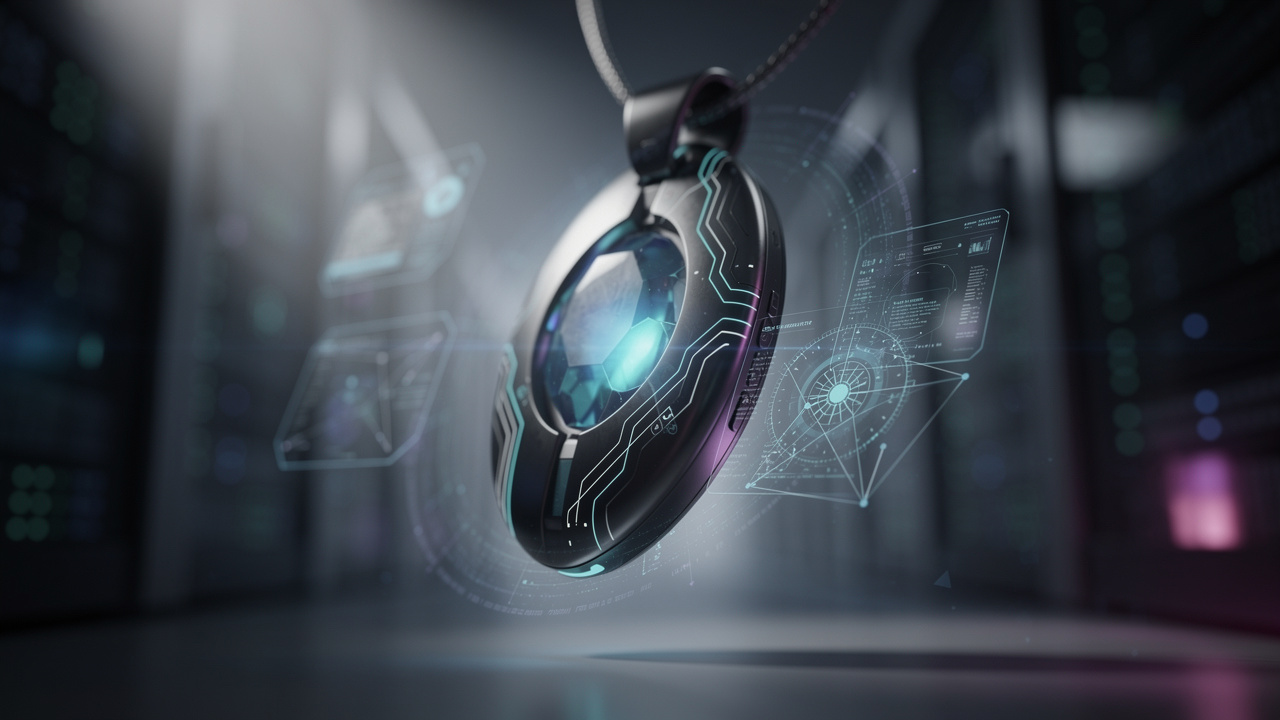
According to TechCrunch, Meta is reportedly building an AI pendant and could begin testing it within the next year. The report suggests the product would build on the work of Limitless, the AI hardware startup Meta acquired at the end of 2025.
That matters because Limitless was not making a toy. Its core idea was a wearable that could capture conversations and turn them into searchable memory, notes, and context. In other words, it was trying to make AI less like an app you open and more like a companion that shadows your day.
At nearly the same moment, MIT Technology Review highlighted a very different but highly relevant point, that AI is not a neutral force. That framing matters because recent advancements in ai technology are no longer confined to software dashboards. They are entering conversations, offices, homes, and social situations where the stakes are human, not just technical.
Key Details on Advancements in AI Technology
The reported pendant is only one piece of a larger hardware strategy. TechCrunch says Meta also plans to expand its AI glasses lineup and introduce a business offering called Wearables for Work. That suggests the company is not merely experimenting with consumer gadgets. It is building an ecosystem around persistent AI assistance.
The real target is behavior, not hardware
The pendant form factor is interesting, but it is probably not the point. The real goal is to train people to accept ambient computing, where microphones, cameras, and AI models blend into daily life so completely that the interface disappears.
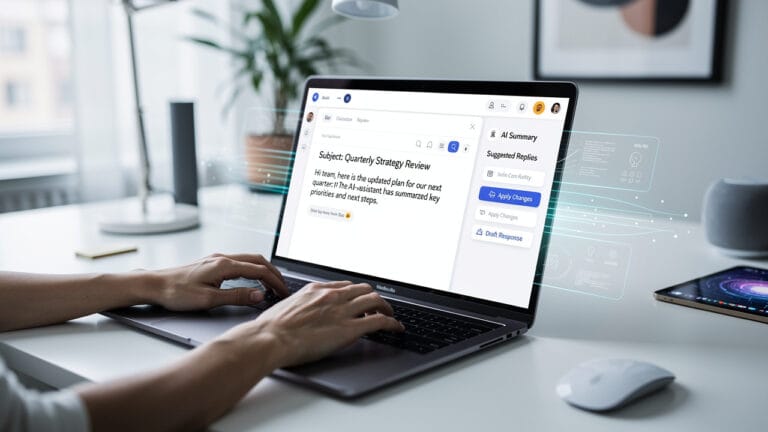
That is why the workplace angle matters. If a wearable can summarize meetings, recall decisions, draft follow-ups, and surface context in real time, companies may see it as productivity infrastructure, not an optional accessory. This is where advancements in ai technology continued throughout 2024 start to look like setup for a much more invasive phase in 2025 and beyond.
What the sources tell us, and what they imply
We do have a few concrete points from the reporting:
- Meta reportedly aims to start testing the pendant within the next year
- Meta acquired Limitless at the end of 2025
- TechCrunch notes consumers have already rejected earlier AI wearables for reasons including privacy concerns and poor usefulness
- The Vatican-linked argument cited by MIT Technology Review calls AI the biggest change in human life since the Industrial Revolution
Those are not small claims. They tell us two things. First, companies still believe wearable AI will become mainstream despite early failures. Second, the ethical argument is catching up because the tech is moving closer to the body, the voice, and the workplace.
If you want a broader read on where this race is going, our look at AI technology advancements 2025 just turned your phone into a secretary and the lab into a drug factory connects the same trend line, AI is escaping the browser and embedding itself into tools that act on your behalf.
What AI Technology Advancements 2025 Mean for You
This is the part many headlines skip. A wearable AI pendant is not just another gadget launch rumor. It changes the terms of everyday interaction.
If you are a worker, this could become a requirement by stealth
A product like this will likely be marketed as assistance. Better memory. Fewer missed details. Instant notes. Smarter follow-ups.
But in practice, employers may see something else, a way to document conversations, monitor performance, and reduce the cost of human forgetfulness. Once that happens, “optional” tools have a way of becoming expected tools.
That is why ai technology advancements 2025 are not just about capability. They are about power. The worker who refuses always-on recording may be painted as less organized. The manager who embraces it may gain a searchable archive of every meeting. That is a labor issue as much as a product issue, and it overlaps directly with the shift we examined in AI impact on industries is turning into a labor shake-up, not just a tech upgrade.
If you are a consumer, convenience comes with a social cost
A pendant that records and interprets speech sounds useful when you imagine your own meetings. It sounds less appealing when you imagine being the other person in the room.
This has been the core problem with AI wearables from the start. The buyer may consent. Everyone around them may not.
That makes recent advancements in ai technology unusually sensitive because the risk does not stop at the user. It spreads outward to coworkers, friends, patients, customers, and strangers. For some settings, healthcare, legal services, schools, and HR meetings come to mind, that creates immediate compliance and trust problems.
Privacy is only half the story
Most criticism will focus on surveillance, and rightly so. But there is another issue, dependency. If AI wearables become your memory layer, your planner, your meeting historian, and your conversational assistant, you start outsourcing basic cognitive work.
That may be efficient. It may also make people less willing to operate without an always-on layer of machine interpretation. The strongest ai technology advancements are no longer replacing one task. They are slowly redesigning what normal functioning looks like.
What Others Missed About Meta’s Reported Pendant
The easiest take is that Meta wants in on the wearable AI race. True, but shallow.
This is a bet on social normalization
The harder and more important insight is that companies keep revisiting failed hardware categories when the strategic value is huge enough. Smart glasses had false starts. So did AI pins and pendants. Yet the industry keeps coming back because whoever owns the always-available assistant may own the next major computing platform.
That is the subtext of ai technology advancements 2024 and the present moment. Last year trained users to ask AI for help. This year is trying to remove the need to ask at all.
The ethics debate is no longer abstract
MIT Technology Review’s emphasis on the idea that technology is never neutral is not some philosophical side note. It is the central product question now.
A chatbot in a browser is easy to treat as a tool. A pendant that may capture human speech in real environments is different. It brings AI into consent, dignity, memory, and workplace authority. That is why the values argument matters. The question is not whether the hardware works. The question is who gets to decide what should be recorded, analyzed, retained, and monetized.
Why the workplace version may matter more than the consumer version
Consumer wearables get attention because they look futuristic. Business subscriptions make the money.
If Meta really launches Wearables for Work, that could be the more consequential move. Enterprise software tends to slip into organizations through productivity promises. Once integrated, it becomes hard to remove. We have seen this pattern across software categories for decades, and advancements in ai technology are now pushing it into physical devices.
Real Examples of How AI Technology Advancements 2025 Could Show Up
Picture a sales manager wearing a pendant that logs every client conversation, drafts recap emails, and flags objections that came up twice this week.
Imagine a consultant who no longer takes handwritten notes because their wearable generates a searchable record of each meeting.
Think about a student using a pendant to summarize lectures, then a school banning it because other students never agreed to be part of a training or recording environment.
Or consider a hospital, where ambient documentation sounds efficient until patients realize their most sensitive conversations may pass through systems they do not understand.
These are not science fiction scenarios. They are the direct extension of recent advancements in ai technology meeting microphones, subscriptions, and company policy. If anything, the most likely first use cases are boring, administrative, and highly monetizable. That is usually how big platform shifts begin.
Pros and Cons of These AI Technology Advancements
Pros
- Could reduce note-taking friction in meetings and classes
- May improve follow-up accuracy and memory recall
- Could create genuinely useful workplace productivity tools
- Fits the direction of hands-free, screen-light computing
Cons
- Serious privacy and consent concerns for everyone nearby
- High risk of employer overreach if wearables become normalized at work
- Unclear real-world usefulness outside narrow scenarios
- Could deepen dependence on AI for memory, attention, and communication
- Meta, in particular, faces a trust problem that hardware polish alone will not solve
Conclusion on AI Technology Advancements 2025
The reported Meta pendant is not important because it is a necklace. It is important because it signals where ai technology advancements 2025 are headed, away from visible software and toward constant presence. The real contest now is not whose model sounds smartest. It is whose AI becomes normal enough to wear.
What Happens Next (2026-2030)
The winners will be the companies that make ambient AI feel less creepy than useful, especially in work settings. The losers may be consumers who discover too late that convenience products also reshape consent, surveillance, and job expectations. Expect more wearables, more enterprise subscriptions, and a harder regulatory fight once these tools leave demo mode and enter offices, schools, and healthcare environments. If advancements in ai technology continued throughout 2024 by making AI more capable, the next few years will decide whether society is willing to let that capability sit on the human body all day.
Sources
About the Author