
The xbox games pass price increase conversation is getting all the clicks, but the real gut punch is simpler: buying into Xbox hardware now costs hundreds more, and that changes who can afford to stay in the ecosystem at all.
Quick Summary
- Microsoft has announced another major xbox console price increase, with new prices taking effect on August 1
- The cheapest current-gen Xbox, the Series S 512GB, jumps from $399 to $499
- Higher-end models are rising even faster, including the Series X 1TB Disc from $649 to $800
- Microsoft says memory and storage costs are now more than 2.5x higher than earlier levels
- This comes less than a year after a previous U.S. Xbox price hike, meaning some models are now roughly 30% to 40% pricier than a year ago
- The xbox games pass price increase debate matters, but the bigger issue is that Xbox is becoming a premium platform at the exact moment many players still think of it as the value option
What Happened With the Xbox Price Increase
Microsoft has raised Xbox console prices again, and this time the increases are not the kind you can shrug off as a minor adjustment. Starting August 1, the company will charge $100 more for 512GB systems and $150 more for 1TB versions, according to reporting from TechCrunch and the BBC.
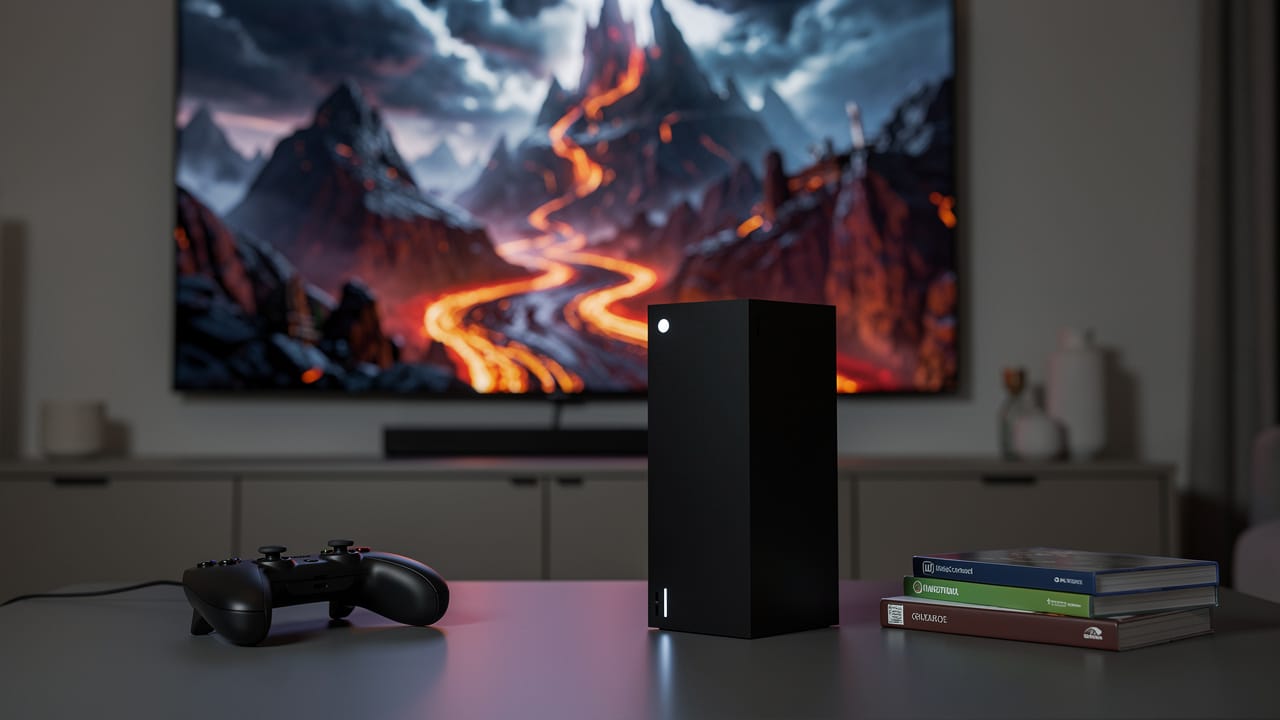
That means the Xbox Series S 512GB moves from $399 to $499, while the Series S 1TB goes from $449 to $599. The digital Series X 1TB climbs from $599 to $750, and the Xbox Series X 1TB Disc rises from $649 to $800.
The timing is hard to miss. Not long after Apple increased prices on some of its own hardware, Xbox followed with a similar explanation: key components, especially memory and storage, have become dramatically more expensive.
Key Details on the Xbox Games Pass Price Increase Debate and Console Costs
The headline numbers are severe, but the context matters even more.
Microsoft says the new pricing is being driven by the cost of memory and console storage, which it says are now more than 2.5 times higher than previous levels. The company has also warned that these costs could double again by fall 2027. If that forecast holds, today’s sticker shock may not be the top.
Why this is bigger than one xbox game pass price increase
A lot of readers will search for xbox game pass price increase because subscriptions feel immediate. Monthly bills are visible. You notice them. But a one-time hardware jump of $100 to $150 changes the entry point into Xbox in a much harsher way.
A subscription increase can annoy customers. A console increase can lock them out entirely.
There is also a pattern here. This is the second major Xbox hardware price hike in less than a year. The BBC notes that Xbox had already raised prices in October by $20 to $70. Add the new move on top, and some consoles now cost 30% to 40% more than they did this time last year.
That is not routine inflation. That is a platform repositioning, whether Microsoft wants to call it that or not.
The missing piece in the Microsoft Xbox Game Pass price increase story
Another notable change, reported by TechCrunch, is that Microsoft is discontinuing its 2TB model. That matters because storage has become one of the central pain points of this generation. Modern games are huge, and removing higher-capacity options while citing storage costs tells you how badly the component market is squeezing margins.
The result is a strange Xbox message: pay more for the box, get fewer straightforward hardware choices, and keep being told the best value is the service layer. That makes the Microsoft Xbox Game Pass price increase discussion feel incomplete unless it is paired with the console story.
What This Means for You as the Xbox Price Increase Hits
For shoppers, the first consequence is obvious: waiting is now expensive.
If you were planning to buy an Xbox later this summer, the xbox price increase turns hesitation into a penalty. A family considering a holiday purchase could pay $100 to $150 more for the same machine just because they did not buy before August. That is real money, especially when you still need a second controller, extra storage, or a subscription.
The xbox games pass price increase matters less if the console itself is out of reach
This is where the math changes. Xbox has spent years selling a value proposition built around accessibility, especially with Game Pass. The idea was compelling: lower hardware friction, broad library access, and less pressure to spend $70 every time a major game launches.
But when the base hardware jumps to $499 and the premium disc model climbs to $800, the value story gets shaky. The xbox games pass price increase becomes almost secondary if the upfront buy-in has already become painful.
For budget-conscious players, the old logic was simple: buy a cheaper Xbox, subscribe, and play broadly. Now the cheaper Xbox is not cheap in the way people remember.
Who loses most in this xbox console price increase
Three groups get hit hardest.
First, new buyers. Existing Xbox owners can delay upgrading. New customers cannot.
Second, families. A parent shopping for a first console often starts with sticker price, not long-term ecosystem value. At $499, the entry-level Xbox no longer looks like the easy yes it once was.
Third, late adopters. These are the customers who usually help consoles maintain momentum in the middle and later years of a generation. A steep xbox series x price increase risks slowing that wave.
There is also a side effect for resellers and the used market. Sudden retail hikes tend to push shoppers toward refurbished units, older bundles, and secondhand listings. We have seen similar consumer behavior across handhelds and consoles, including in our coverage of the Nintendo Switch price increase and the broader gaming console price increase shock.
What Others Missed About the Xbox Games Pass Price Increase Narrative
The easy version of this story is that chips got expensive, so consoles cost more. That is true, but it is not the whole truth.
Xbox is increasingly a services business wrapped around hardware. In that world, hardware does not just need to sell, it needs to direct users toward subscriptions, digital purchases, and recurring spending. When hardware gets pricier, that funnel narrows.
This xbox games pass price increase moment exposes a branding problem
Xbox still wants to be seen as the practical choice, the smart choice, the flexible choice. Yet these prices look more like luxury electronics pricing than mass-market gaming pricing.
The digital Series X 1TB at $750 is especially awkward. A digital-only machine is supposed to signal convenience and ecosystem lock-in, not bargain-bin pricing, but it still needs to feel rational. At that number, many consumers will start comparing everything: PCs, rival consoles, used hardware, and even whether they need a console at all.
That is why the xbox games pass price increase discourse can be misleading. People are treating subscriptions as the pressure point because recurring bills are emotionally irritating. In reality, the larger strategic risk is that Xbox may be pricing away the very audience that made Game Pass feel powerful.
The industry is quietly admitting the cheap-console era is fading
This is not just an Xbox problem. Apple’s move on hardware prices, cited across the same day’s reporting, underscores something ugly for consumers: electronics makers no longer believe they can absorb component shocks for long.
The old model depended on scale, margin balancing, and occasional losses on hardware made up elsewhere. That still works, until memory and storage spikes become too large to hide. Once that happens, companies push costs downstream.
If you want a clue where this goes next, look at how subscription bundles are being reshaped. Our earlier piece on Xbox making Game Pass cheaper, and more complicated already pointed to a future where pricing looks less simple and less consumer-friendly.
Real Examples of How the Xbox Series X Price Increase Changes Buying Decisions
Here is what this looks like in plain English.
A buyer who planned to grab an Xbox Series S 512GB at $399 is now looking at $499. That extra $100 could have covered several months of Game Pass, a new headset, or a major holiday game purchase.
A more serious enthusiast eyeing the Xbox Series X 1TB Disc now faces an $800 console before tax. Add one new release, a second controller, and a subscription, and the total spend starts looking uncomfortably close to a decent midrange PC purchase or a much more deliberate entertainment investment.
Then there is storage. If Microsoft is removing the 2TB option while storage costs surge, users with large libraries may find themselves paying more upfront and still needing to manage installs aggressively.
Pros and Cons of the Xbox Console Price Increase
Pros
- Microsoft is at least being direct that component costs are driving the increase
- Higher pricing may help preserve Xbox hardware supply if margins were becoming unsustainable
- Existing owners may benefit indirectly if healthier hardware economics keep the platform stable
Cons
- The xbox games pass price increase discussion now sits on top of far more painful hardware costs
- Entry-level Xbox pricing no longer feels truly entry-level
- The xbox console price increase makes ecosystem growth harder
- A second major hike in under a year damages trust
- The Xbox Series X 1TB Disc at $800 risks looking excessive even to committed players
Conclusion on the Xbox Games Pass Price Increase and Xbox Hardware Shock
The xbox games pass price increase story may drive search traffic, but the more important shift is that Xbox hardware has moved meaningfully upmarket. When a platform built on value starts charging premium-console money, consumers do not just complain, they reconsider.
What Happens Next (2026-2030)
Expect Microsoft to lean even harder on subscriptions, bundles, cloud access, and financing to soften the blow of this xbox price increase. Premium buyers may stay, but entry-level and family buyers are the most likely to drift toward used hardware, rival systems, or just keeping what they already own longer. If component costs stay elevated through 2027, the gaming industry will keep testing how much pain customers can absorb. The winners will be companies that preserve flexibility. The losers will be the ones still pretending sticker shock is a minor inconvenience.
Sources
About the Author