
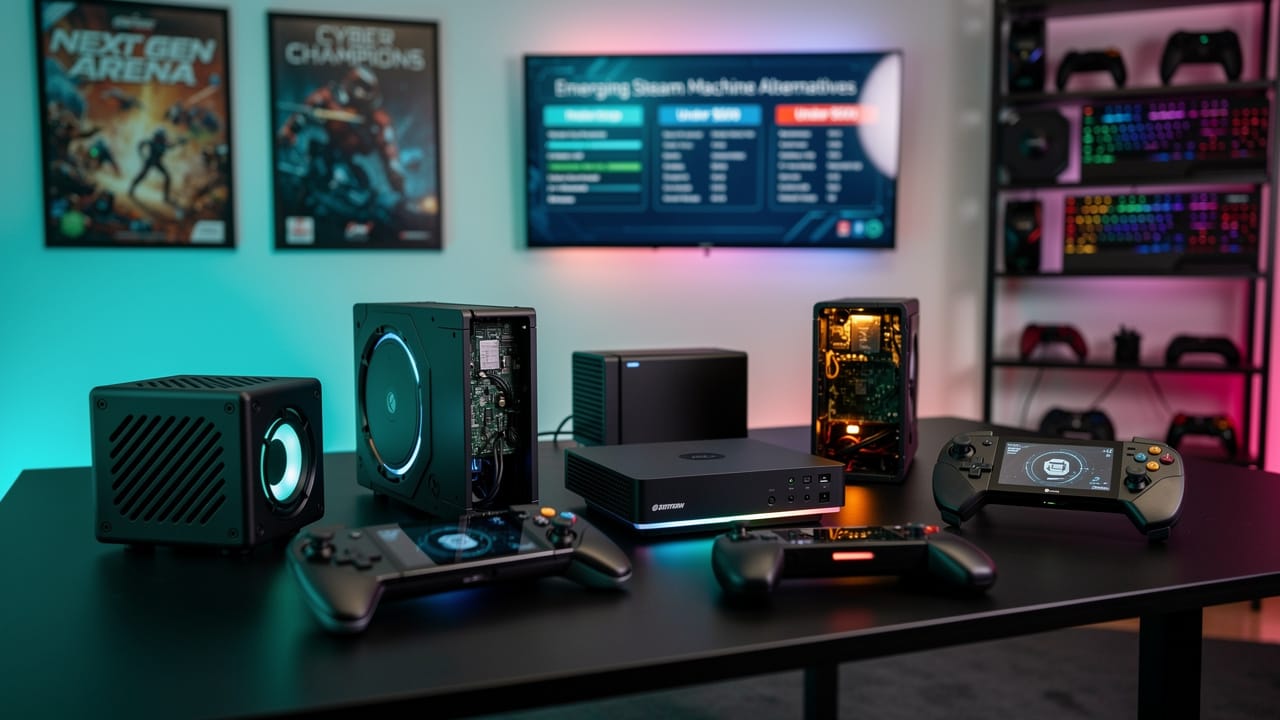
The first wave of steam machine alternatives is not trying to beat Valve on software, design, or trust. It is trying to embarrass Valve on value, and that may be the most dangerous attack possible when a $1,000 box is asking PC players to pay console money for less flexibility.
Quick Summary
- A French retailer has introduced the Stim Machine, an early entrant in the new wave of steam machine alternatives
- It matches the base Steam Machine price at €1,039, but uses standard PC parts and aims for better raw performance
- The biggest visible tradeoff is size, with the Stim Machine measuring 222 x 181 x 285mm, versus the Steam Machine at 156 x 152 x 162mm
- The challenger uses an AMD Ryzen 5 8400F, while Valve’s device is described as using a Zen 4 6C/12T chip
- This matters because buyers shopping premium small gaming PCs now have a simple question: do they want a curated platform, or just more hardware for the same money?
- The bigger long-term story is that steam machine alternatives under $500 could become far more disruptive than premium clones, especially if vendors pair compact PCs with SteamOS-style living room convenience
What Happened With the New Steam Machine Alternatives
A retailer in France has done the thing everyone expected would happen eventually, just sooner than many thought. It launched a machine called the Stim Machine, a cheeky near-copy in concept that mirrors Valve’s new hardware pitch while trying to undercut it where enthusiasts always look first, the spec sheet.
The challenge is straightforward. The Stim Machine reportedly lands at the same €1,039 price as the base Steam Machine, uses a similar cube-like design, and then argues that buyers get more horsepower because it is built from ordinary desktop components. In other words, this is not a new platform. It is a small prebuilt PC wearing a strategic disguise.
That distinction matters. Valve is selling a controlled experience. These early steam machine alternatives are selling a familiar argument PC gamers have heard for decades: same money, better parts, fewer restrictions.
Key Details on Steam Machine Alternatives and the Price Fight
The most important fact is not that a clone appeared. It is how quickly the market decided the best way to answer Valve was with a price-match.
At €1,039, the Stim Machine is not a budget rebel. It is a direct provocation. If two boxes cost the same, shoppers stop asking which one is official and start asking which one delivers more frames, more upgrade freedom, and fewer compromises.
The hardware gap is the entire sales pitch
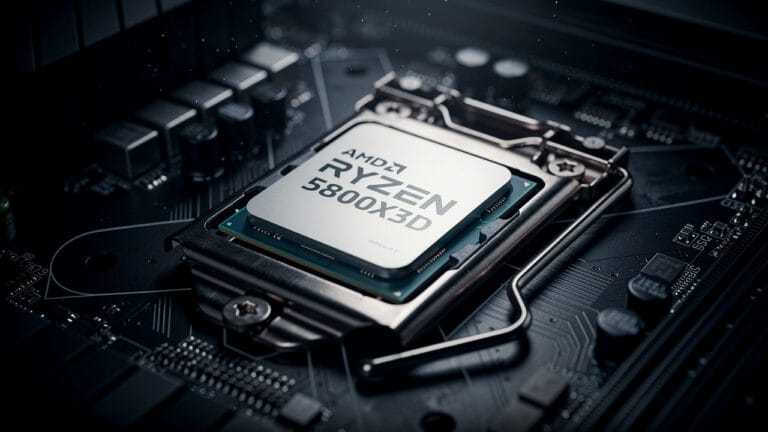
According to the seed report, the Stim Machine uses a 6-core AMD Ryzen 5 8400F. Valve’s machine, by comparison, is described there as using a Zen 4 6C/12T processor. The article’s framing is clear: the rival believes CPU performance is one of the easiest ways to make Valve’s first-party box look overpriced.
The physical dimensions tell the other half of the story. Valve’s machine is much smaller at 156 x 152 x 162mm, while the Stim Machine comes in at 222 x 181 x 285mm. That is not a minor difference. Valve is charging partly for compact engineering, thermal design, and a more appliance-like footprint. The knock-off is charging for internals.
This is why the conversation around steam machine alternatives is already more interesting than the old Steam Machines era ever was. Back then, many vendors were trying to sell a category before the software proposition was mature. Now the software side is stronger, but the hardware comparison is mercilessly transparent.
Why this is not just another mini PC story
Valve has created a premium target. Once a company puts a gaming box in the market at roughly $1,049, as we discussed in our look at the Steam Machine gaming console launch and its pricing problem, competitors do not need to out-innovate it. They only need to say, “we can do more for the same money.”
That is a dangerous position for any platform owner. Console makers survive it with exclusives. Apple survives it with ecosystem lock-in. Valve’s strength is software distribution and user loyalty, but neither automatically justifies weaker value on raw hardware if buyers believe they can get a better box elsewhere.
What Steam Machine Alternatives Mean for You
If you are a buyer, the new split is simple but important. You are no longer deciding only whether the Steam Machine itself is worth buying. You are deciding whether the idea of a Steam-ready living room PC is worth buying from Valve specifically.
If you want convenience, Valve still has an advantage
A first-party system can reduce friction. Setup is cleaner. Support is clearer. Driver behavior is more predictable. For people who want a box under the TV that behaves more like a console than a project, that matters.
That convenience is hard to measure on a spec table, which is exactly why the first steam machine alternatives are going after performance per dollar. They know the easiest part of Valve’s pitch to attack is the visible hardware.
Still, there is a ceiling to how much convenience people will pay for. Above $1,000, the audience becomes more skeptical, more technical, and much more willing to compare internals.
If you care about value, the next battle is under $500
The premium clone is interesting, but the real threat is lower down. The phrase steam machine alternatives under $500 may sound like wishful SEO bait today, yet it points to the segment that could actually reshape this category.
A compact Ryzen-based box with decent integrated graphics, or an older GPU in a small chassis, could satisfy a lot of living room players who mainly want indie games, older AAA titles, emulation, media playback, and couch co-op. Those buyers do not need a luxury device. They need a painless one.
That is where steam machine alternatives under $500 become more than a budget talking point. They become a referendum on whether Valve is building a mass-market platform or a premium enthusiast toy.
What Others Missed About the Stim Machine Challenge
Most coverage will treat this as a joke name attached to an obvious clone. That is the least interesting part of the story.
The deeper issue is that Valve may have unintentionally validated a whole category of near-console PCs. Once a major platform holder shows there is demand for a compact Steam-centric gaming box, retailers and boutique builders no longer have to prove the category exists. They only have to exploit the gaps.
Steam machine alternatives are attacking the weakest part of the pitch
Valve’s strongest moat is software familiarity. Its weakest moat is commodity hardware. Anyone can assemble off-the-shelf components in a compact case. Not everyone can build a trusted storefront or a seamless PC gaming ecosystem, but hardware challengers do not need to. They can ride on Steam’s software success while competing against Valve’s own box.
That is the weird contradiction here. Valve may end up popularizing the exact market that makes its own hardware harder to justify.
The old Steam Machine lesson may finally matter
The first Steam Machines stumbled because they arrived before the broader handheld-PC and living-room-PC mindset had fully matured. Today, players are much more comfortable with PC-like devices that act like consoles. That makes the timing better, but it also means competition will be harsher.
And unlike the original era, shoppers are now primed to hunt for steam machine alternatives instantly. They know what mini PCs are. They understand prebuilts. They are used to comparing thermal limits, chips, and storage tiers in a way mainstream console buyers never had to.
Real Examples of Where Steam Machine Alternatives Fit
A few types of buyers are going to react very differently here.
The first is the couch PC gamer who wants Steam Big Picture, a wireless controller, and a neat little box under the TV. That person may still prefer Valve if the experience is cleaner and quieter.
The second is the hobbyist who already knows how to reinstall Windows or tweak a BIOS setting. For that buyer, a Stim Machine-style product is attractive precisely because it is less special. Standard parts mean easier repairs, easier upgrades, and less fear of being trapped in a bespoke ecosystem.
The third is the budget hunter, and this is where steam machine alternatives under $500 become crucial. Think of a parent setting up a family-room gaming box, or a student trying to replace an aging console and media streamer with one device. Those users may not care about a tiny footprint if they can save hundreds.
In practical terms, the future winners in steam machine alternatives may not look like polished Valve rivals at all. They may look like clever small-form-factor PCs with a controller-friendly launcher and aggressive pricing.
Pros and Cons of Today’s Steam Machine Alternatives
Pros
- Often better raw specs for the money
- Standard components can mean easier upgrades and repairs
- More flexibility for non-gaming uses
- Potentially stronger price competition for Valve
Cons
- Bigger chassis can make them less living-room friendly
- Setup and support may be messier than a first-party box
- No guarantee of a console-like user experience
- Premium clones are less compelling than true steam machine alternatives under $500
Conclusion on Steam Machine Alternatives
The Stim Machine is not important because it exists. It is important because it exposes the exact pressure point in Valve’s strategy, premium hardware without a hardware moat. If the official box feels even slightly overpriced, competitors using off-the-shelf parts will come fast.
What Happens Next (2026-2030)
Valve will probably keep the high ground in software polish, but it will struggle if rivals normalize the idea that the best steam machine alternatives are just better-value small PCs. Boutique builders and retailers stand to benefit first, especially if they learn how to mimic console convenience without charging luxury prices. The biggest disruption will not come from €1,039 clones, though. It will come when credible steam machine alternatives under $500 start offering “good enough” couch gaming for half the price, because that is when the category stops being a curiosity and starts becoming a market.
Sources
About the Author