
A New Wave of AI, A New Wave of Legal Headaches
Artificial intelligence is reshaping creativity at a stunning pace, especially in music. Tools that can generate full songs, mimic vocal styles, and churn out cover versions are now only a few clicks away. At the center of the latest debate is Suno, a powerful AI music generator that critics argue is a copyright nightmare.
As music models become more capable, concerns about intellectual property, artistic control, and fair compensation are turning from theoretical questions into urgent policy issues. At the same time, AI companies are confronting practical limits in compute and engineering, which is beginning to influence how these tools are priced and deployed, as seen in Claude subscribers now paying more to use the code-focused OpenClaw feature.
Taken together, these developments highlight a new phase of AI and copyright: not just what the models can do, but who pays, who profits, and who is protected.
How AI Music Generators Put Copyright Under Pressure
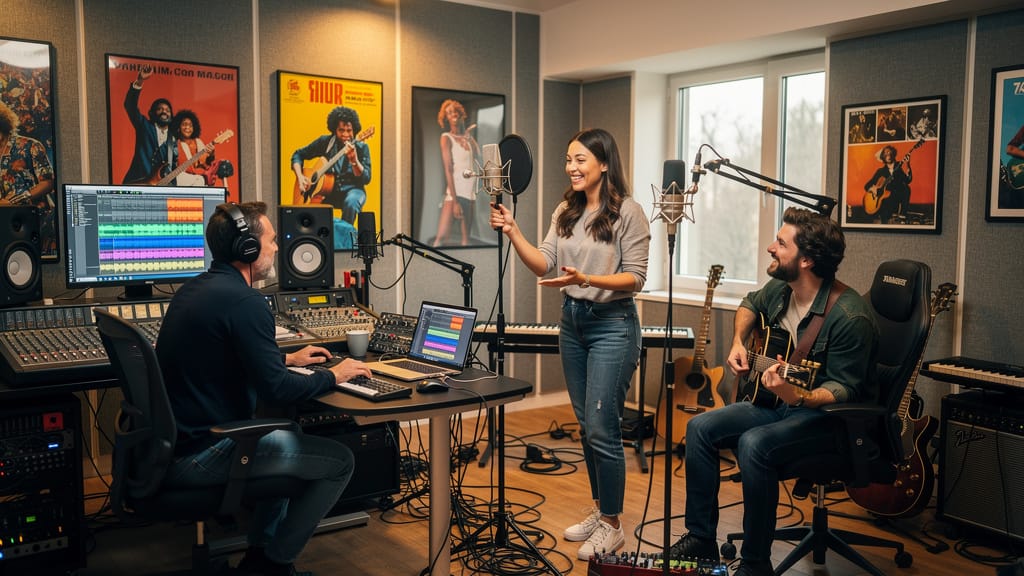
Platforms like Suno sit at the center of this storm. The system can rapidly produce full songs from text prompts, it can imitate genres and recognizable musical patterns, and it can make it extremely easy to flood platforms with synthetic audio. Critics argue that this is not just a novelty; it is a structural challenge to copyright.
The heart of the concern is how a model learns. To perform well, an AI music generator has typically been trained on very large collections of recorded music. Artists and labels see this as unlicensed use of their work if permission was not explicitly granted. When a tool can output tracks that sound strikingly similar to known artists, the line between influence and infringement becomes blurry.
From the perspective of copyright law, several questions arise:
- If a model was trained on a song that is under copyright, is the creator of the model responsible for using that material without permission?
- When the model produces output that closely echoes a particular track or style, is that a derivative work?
- Who, if anyone, is the author of an AI generated song, and how does that interact with existing rights?
Suno has become a lightning rod because it makes large scale production of such music simple and quick. That ease of use turns a theoretical legal puzzle into a practical one. It is no longer a handful of experimental tracks, it is potentially an endless stream of AI generated covers and soundalikes that can appear on streaming platforms and social media.
AI Covers, “Slop,” and the Flooding of Music Platforms
One of the most troubling aspects for critics is the idea of AI cover slop, a wave of low effort, high volume content that can swamp recommendation systems and streaming catalogs. When a tool can spin up song after song that loosely resembles popular hits, the digital shelves can fill up fast.
This affects several groups:
- Original artists, who may find their work imitated without consent and their audience attention diluted.
- Listeners, who can struggle to distinguish genuine music from AI produced soundalikes, especially when the synthetic content is designed to ride on the popularity of hits.
- Platforms, that must navigate a growing risk of hosting infringing or borderline material at scale.
The more credible and polished AI outputs become, the more pressure on existing copyright enforcement mechanisms. Traditional systems that flag exact audio matches are poorly suited to content that is similar in style but not an exact copy. Yet the economic incentives are clear: synthetic covers can be pumped out cheaply and quickly, in some cases without clear attribution.
This raises a second order concern. Even if individual outputs are legally defensible under current doctrine, the aggregate effect might still be deeply harmful to human musicians and to the broader ecosystem of music discovery.
Engineering Limits, Pricing, and Who Pays for AI
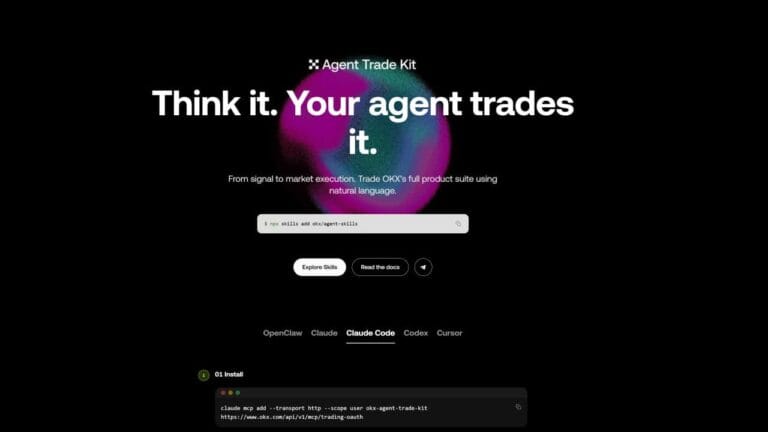
On a different corner of the AI landscape, Claude users now face an added cost if they want to access OpenClaw, a component aimed at code related tasks. According to Mashable, subscribers will need to pay extra to use this feature because of engineering restraints.
This development is revealing for the copyright conversation in two ways.
First, it shows that advanced AI functionality is not free for providers. High end capabilities often require more compute, more specialized infrastructure, and more engineering maintenance. As a result, companies are starting to unbundle features and apply usage based pricing.
Second, this pricing pressure intersects with copyright in a subtle way. Training and operating large models on copyrighted material carry both legal and technical risk. If costs rise due to lawsuits, licensing fees, or technical constraints, providers may pass these costs to users, who then must decide whether the value of AI generated content is worth the premium.
The result is a feedback loop:
1. Models trained on massive datasets raise copyright challenges.
2. Those challenges can increase legal, engineering, and compliance burdens.
3. Providers respond by limiting access or charging more for powerful features.
4. Users and creators adjust how and when they rely on AI for creative work.
In short, the debate over copyright is not only about artistic control; it is also about the economic structure of AI tools and who bears the cost of innovation.
Control, Consent, and the Future of Creative Work
Across AI music generators and coding tools, a few common themes are emerging.
Control of training data is central. Artists and rights holders want the ability to say yes or no when their work is used to train models such as Suno. Without clear consent mechanisms, trust in AI companies is likely to erode.
Attribution and transparency are also critical. If a song is AI generated, platforms may need clear labeling. If a model heavily relies on specific catalogues, that relationship may have to be disclosed more openly. Without this, audiences may feel misled and creators may feel exploited.
Economic participation is the third pillar. As AI systems generate value from existing creative works, many argue that artists and rights holders should share in that value, whether through licensing schemes, revenue sharing, or new forms of collective bargaining.
In the meantime, companies operating at the frontier, from AI music systems to code assistants like Claude, must balance pushing technological boundaries with honoring legal and ethical boundaries around intellectual property.
Why This Moment Matters
The current tension around AI and copyright is not just a passing controversy. It is a test of how law, technology, and culture adapt to a world where machines can replicate aspects of human creativity at scale.
Tools like Suno crystallize what is at stake in music: artistic identity, livelihood, and the meaning of originality in an age of vast training datasets. The pricing and access changes around advanced AI features show that there are real constraints and trade offs, even for the largest players in the field.
Policymakers, platforms, and creators will need to move quickly. If they fail to establish clear rules of the road, the result could be permanent damage to trust in both AI systems and the creative industries they touch. If they succeed, there is an opportunity to harness powerful tools while still respecting the people whose work trained them.
The outcome will shape not only what we listen to and how we code, but what it means to create in an age of intelligent machines.
Sources
About the Author